
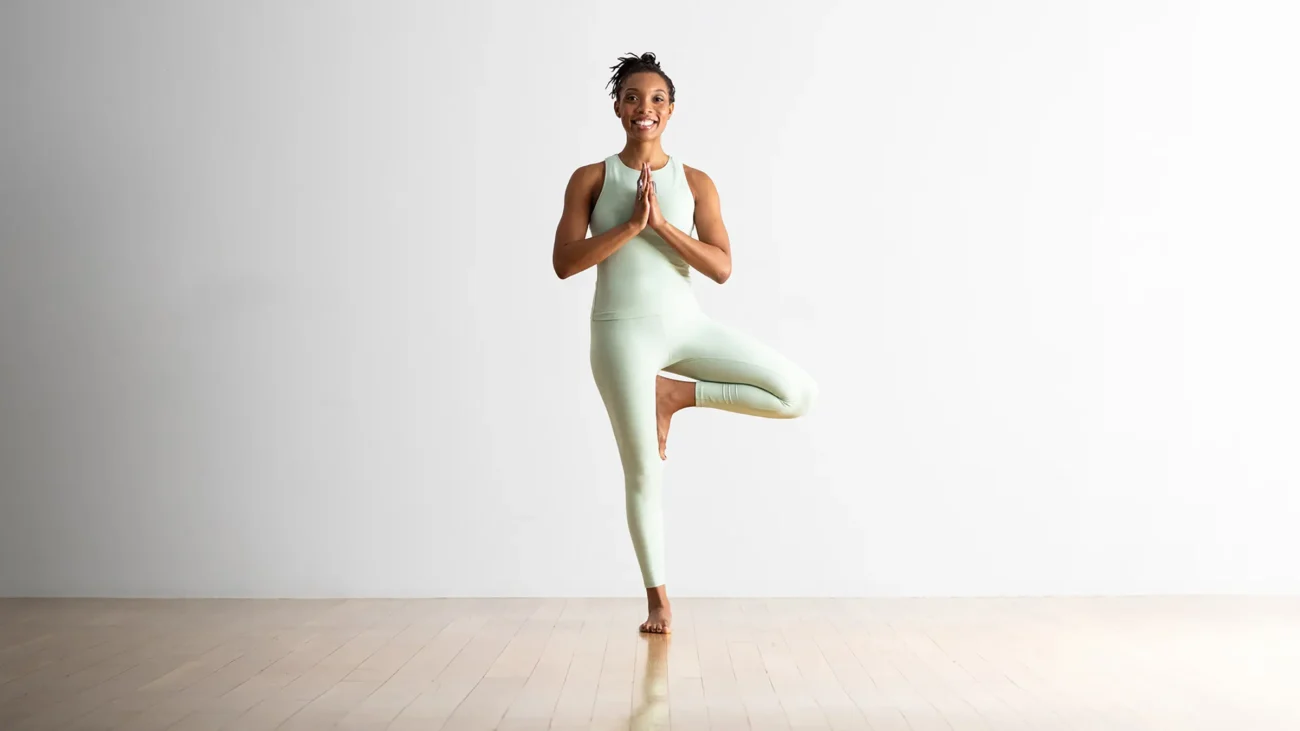
Yoga, an ancient practice that promotes physical, mental, and spiritual well-being, offers a multitude of poses, each with its unique benefits. Among these, the Tree Pose, or Vrikshasana, is a fundamental asana that enhances balance, focus, and mental clarity. Derived from the Sanskrit words ‘Vriksha,’ meaning tree, and ‘asana,’ meaning posture, this pose embodies the steadfastness and grounded nature of a tree.
Benefits of Tree Pose
Tree Pose is not only a balancing act but also a holistic exercise that impacts various aspects of your health:
- Improved Balance and Stability: Regular practice strengthens your legs and core, enhancing overall stability.
- Enhanced Focus and Concentration: By requiring mental focus to maintain balance, Tree Pose sharpens concentration.
- Strengthens Legs and Spine: The pose activates and strengthens key muscle groups, including the calves, thighs, and spine.
- Increases Flexibility: It opens the hips and stretches the inner thighs, contributing to greater flexibility.
- Promotes Relaxation: The meditative nature of holding the pose can help reduce stress and promote a sense of calm.
Preparing for Tree Pose
Before you embark on mastering Tree Pose, ensure you have a conducive environment and mindset:
Choose the Right Space
Select a quiet, clutter-free area with enough room to move freely. A non-slip yoga mat will provide the necessary support and comfort.
Warm-Up
Engage in a light warm-up to prepare your body. Focus on stretching your legs, hips, and shoulders to ease into the pose smoothly.
Mental Preparation
Calm your mind with a few moments of deep breathing or meditation. This will help in attaining the focus needed for balance.
Step-by-Step Guide to Tree Pose
Now, let’s delve into the step-by-step process to master Tree Pose:
Step 1: Assume the Mountain Pose
Begin by standing in Mountain Pose (Tadasana), with your feet hip-width apart, arms at your sides, and weight evenly distributed on both feet.
Step 2: Shift Your Weight
Gradually shift your weight onto your right foot, grounding firmly into the mat. Engage your core to maintain stability.
Step 3: Position Your Left Foot
Lift your left foot and place the sole against the inner right thigh. If this is challenging, you can position the foot on the calf or ankle, avoiding the knee joint to prevent strain.
Step 4: Find Your Balance
Once your foot is positioned, find a fixed point in front of you to focus on. This will help maintain balance and concentration.
Step 5: Engage and Align
Engage your standing leg by lifting the kneecap and firming the thigh. Ensure your pelvis is neutral, not tilting forward or backward.
Step 6: Position Your Arms
Bring your hands into a prayer position (Anjali Mudra) at your heart center. If you’re comfortable, raise your arms overhead, keeping them parallel or touching, with palms facing each other.
Step 7: Hold and Focus
Hold the pose for 30 seconds to 1 minute, breathing deeply. Focus on your breath and the point you have chosen to maintain balance.
Step 8: Release the Pose
To release, gently lower your arms and bring your left foot back to the ground. Return to Mountain Pose and repeat on the opposite side.
Common Mistakes and How to Avoid Them
Even seasoned practitioners can make mistakes in Tree Pose. Here are some common errors and tips to correct them:
Leaning Forward
Ensure your spine remains straight and your body weight is centered over your standing leg. Avoid leaning forward, which can disrupt balance.
Misaligned Hips
Check that your hips remain level and square to the front. Tilting or twisting the hips can affect alignment and stability.
Placing Foot on Knee
Placing your foot on the knee joint can cause strain. Always position it above or below the knee.
Advanced Variations of Tree Pose
Once you feel comfortable with the basic Tree Pose, explore these advanced variations to further challenge your practice:
Tree Pose with Closed Eyes
Close your eyes while maintaining the pose to intensify the challenge to your balance and focus.
Half-Lotus Tree Pose
For a deeper hip stretch, position your lifted foot in a half-lotus position on the opposite thigh.
Tree Pose with Arm Variations
Experiment with different arm positions, such as reaching them behind your back or interlacing fingers to enhance coordination and flexibility.
Conclusion
Mastering the Tree Pose is a rewarding journey that cultivates balance, strength, and tranquility. By following this step-by-step guide and incorporating the tips provided, you can enhance your yoga practice and experience the multitude of benefits this pose offers. Remember, like a tree, your practice will grow and evolve, becoming more rooted and robust with time and patience.
Additional Tips for a Successful Practice
To further support your journey in mastering Tree Pose, consider these additional tips:
Consistency is Key
Regular practice is essential in developing the muscle memory and balance required for Tree Pose. Aim to incorporate it into your routine several times a week.
Listen to Your Body
Pay attention to your body’s signals. If you experience discomfort or strain, modify the pose or use props like a wall for support.
Meditative Mindset
Approach Tree Pose with a meditative mindset. Use the pose as an opportunity to cultivate mindfulness and inner peace.
Seek Guidance
If you’re new to yoga or Tree Pose, consider attending a class or seeking guidance from a certified yoga instructor to ensure proper alignment and technique.
With dedication and mindful practice, Tree Pose can become a cornerstone of your yoga journey, offering profound benefits for your body, mind, and spirit.
