
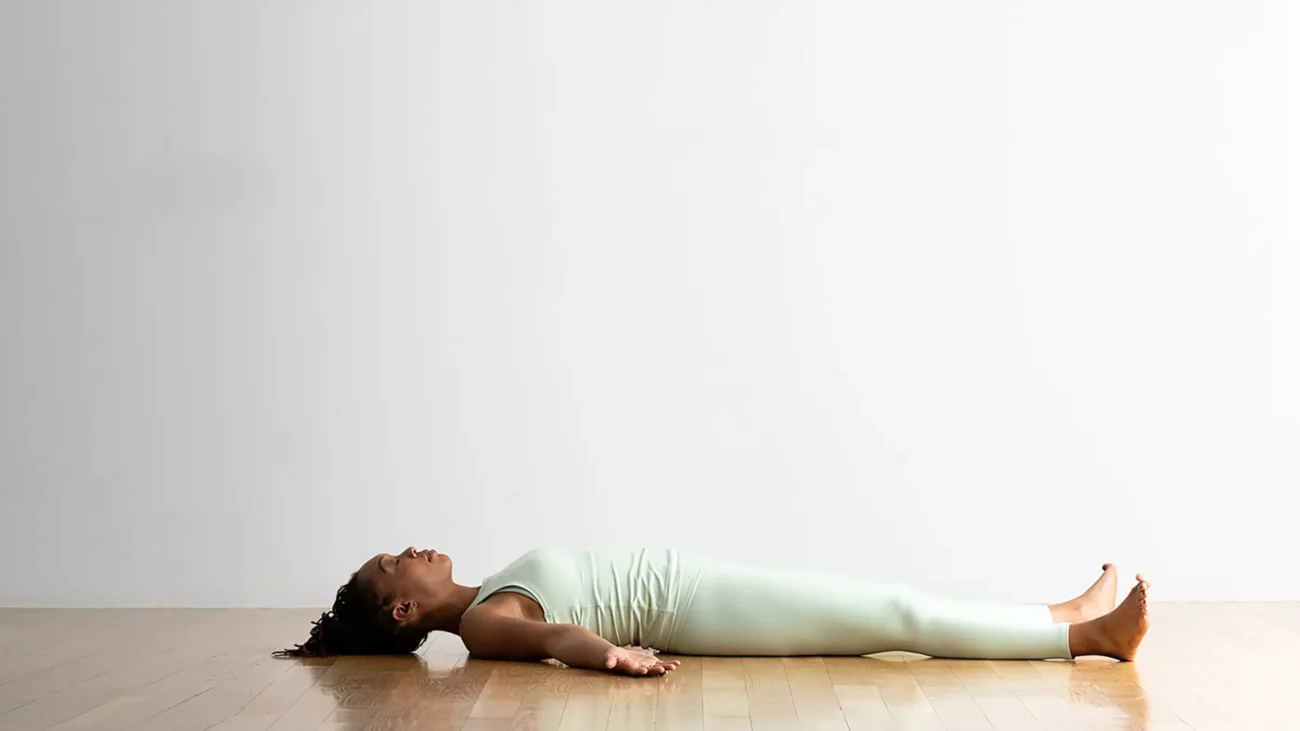
Yoga, an ancient practice with roots in India, has gained immense popularity worldwide for its holistic benefits. Beyond the physical postures, yoga encompasses breathing exercises, meditation, and a philosophy of mindfulness, which can lead to improved mental and emotional well-being. If you’re new to yoga, this guide will provide you with the essentials to get started on your journey today.
Understanding the Basics of Yoga
Before you dive into practicing yoga, it’s important to understand what it entails. Yoga is more than just a form of exercise; it’s a lifestyle that promotes balance, flexibility, and inner peace. The practice includes various styles and forms, each with unique benefits. As a beginner, focusing on foundational practices will help you build a strong base.
The Eight Limbs of Yoga
The philosophy of yoga is traditionally divided into eight limbs, known as Ashtanga. These include Yamas (ethical standards), Niyamas (self-discipline), Asanas (postures), Pranayama (breath control), Pratyahara (withdrawal of senses), Dharana (concentration), Dhyana (meditation), and Samadhi (state of bliss). While you won’t need to master all these at once, understanding that yoga is a comprehensive practice can enhance your experience.
Choosing the Right Yoga Style
There are many styles of yoga, each offering something unique. Hatha yoga is great for beginners due to its slower pace and focus on basic postures. Vinyasa yoga provides a more dynamic, flow-based practice, while Yin yoga emphasizes deep stretching and relaxation. Experiment with different styles to find what resonates with you.
Essential Yoga Equipment
Starting yoga requires minimal equipment, but having the right gear can enhance your practice and comfort.
Yoga Mat
The yoga mat is perhaps the most important piece of equipment. It provides cushioning and a non-slip surface for your practice. When choosing a mat, consider its thickness, material, and grip. An ideal beginner’s mat should be about 1/4 inch thick for support and comfort.
Comfortable Clothing
Wear clothing that is comfortable and allows for a full range of motion. Yoga pants or leggings paired with a fitted top are common choices. Avoid overly baggy clothes as they can hinder movement and make certain postures difficult.
Optional Props
Yoga props like blocks, straps, and bolsters can assist in achieving correct alignment and making poses accessible for beginners. While not essential, they can be helpful tools as you progress in your practice.
Creating a Dedicated Practice Space
Having a dedicated space for your yoga practice can enhance focus and motivation. Choose a quiet, clutter-free area in your home where you can lay out your mat and practice without distractions. Consider adding calming elements like candles, incense, or soft lighting to create a serene atmosphere.
Basic Yoga Postures for Beginners
As a beginner, it’s important to start with basic postures that build strength, flexibility, and confidence. Here are a few essential poses to incorporate into your practice:
Mountain Pose (Tadasana)
This foundational pose helps improve posture and balance. Stand with feet together, arms at your sides, and weight evenly distributed. Engage your core and breathe deeply, feeling grounded and stable.
Downward-Facing Dog (Adho Mukha Svanasana)
A staple in many yoga sequences, this pose stretches the hamstrings, calves, and shoulders. Begin on all fours, tuck your toes, and lift your hips toward the ceiling, forming an inverted V-shape with your body.
Child’s Pose (Balasana)
A resting pose that promotes relaxation, Child’s Pose gently stretches the hips, thighs, and ankles. Kneel on the floor, touch your big toes together, and sit back on your heels, extending your arms forward and lowering your forehead to the mat.
Warrior I (Virabhadrasana I)
Warrior I builds strength and endurance. From a standing position, step one foot back and bend your front knee, raising your arms overhead. Ensure your hips face forward and feel the stretch along your torso and legs.
Tree Pose (Vrksasana)
This balancing pose helps improve concentration and stability. Stand on one leg, placing the sole of your opposite foot on your inner thigh or calf, and bring your hands together in prayer position at your chest.
Incorporating Breathwork (Pranayama)
Breathwork, or pranayama, is a vital aspect of yoga that can enhance your physical practice and mental clarity. As a beginner, learning simple breathing techniques can help you connect more deeply with your practice.
Diaphragmatic Breathing
This basic breathing technique encourages relaxation and reduces stress. Sit comfortably, place one hand on your chest and the other on your abdomen. Inhale deeply through your nose, allowing your abdomen to expand, and exhale slowly, feeling your abdomen contract.
Alternate Nostril Breathing (Nadi Shodhana)
This technique balances the mind and body, promoting a sense of calm. Sit comfortably and use your right thumb to close your right nostril. Inhale through the left nostril, then close it with your ring finger, and exhale through the right nostril. Continue alternating for several breaths.
The Importance of Meditation
Meditation is an integral part of yoga that fosters mindfulness and mental clarity. Starting with just a few minutes each day can make a significant difference in reducing stress and enhancing focus.
Guided Meditation
For beginners, guided meditation can be a helpful way to start. There are numerous apps and online resources available that offer guided sessions, helping you stay focused and relaxed.
Mindfulness Meditation
This practice involves focusing on the present moment without judgment. Find a quiet space, close your eyes, and pay attention to your breath. When your mind wanders, gently bring your focus back to your breath.
Starting Your Yoga Journey
Beginning a yoga practice is a personal journey that requires patience and consistency. Here are some tips to help you stay committed and make the most out of your practice:
Set Realistic Goals
Start with small, achievable goals that fit into your lifestyle. Whether it’s practicing for 10 minutes a day or attending a class once a week, setting realistic expectations will help you stay motivated.
Find a Community
Joining a yoga class or community can provide support and encouragement. Whether in-person or online, connecting with others who share your interest can enhance your motivation and enjoyment.
Listen to Your Body
Yoga is a personal practice, and it’s important to honor your body’s limitations. Avoid pushing yourself into pain or discomfort. With time, your flexibility and strength will improve, but patience and self-care are key.
Conclusion
Embarking on a yoga journey as a beginner is an exciting and rewarding experience. By understanding the basics, investing in essential equipment, and incorporating breathwork and meditation, you can create a fulfilling practice that promotes physical, mental, and emotional well-being. Remember, yoga is a lifelong journey, and the most important aspect is to enjoy the process and embrace the positive changes it brings to your life.
