
In the hustle and bustle of modern life, finding a sanctuary of peace and wellness is more crucial than ever. Yoga, an ancient practice that combines physical postures, breathing exercises, and meditation, offers a holistic approach to achieving balance and tranquility. Whether you’re looking to improve your flexibility, enhance your strength, or find mental clarity, yoga serves as a transformative tool. This guide is designed to help beginners embark on their yoga journey, providing essential insights and practices that can enrich your life.
Understanding Yoga: A Brief Overview
Yoga originated in ancient India and has evolved over thousands of years. It’s a discipline that harmonizes the mind, body, and spirit. The word ‘yoga’ is derived from the Sanskrit word ‘yuj’, which means to unite or join. This union is seen as the balance between mind and body, as well as the connection between the individual and the universe.
The Benefits of Yoga
The benefits of yoga are extensive and well-documented. Physically, yoga helps improve flexibility, strength, and posture. It also enhances cardiovascular health, aids in weight management, and increases energy levels. Mentally, yoga reduces stress, anxiety, and depression, promoting a sense of calm and focus.
Getting Started: What You Need
Starting a yoga practice requires minimal equipment, making it accessible for everyone. Here are a few essentials:
- Yoga Mat: A good quality yoga mat provides cushioning and grip, making poses more comfortable and stable.
- Comfortable Clothing: Wear clothes that allow freedom of movement. Avoid anything too loose or restrictive.
- Water Bottle: Staying hydrated is important, especially during and after your practice.
- Yoga Blocks and Straps: These props can aid in achieving poses, especially for beginners who need extra support.
The Foundation: Basic Yoga Poses
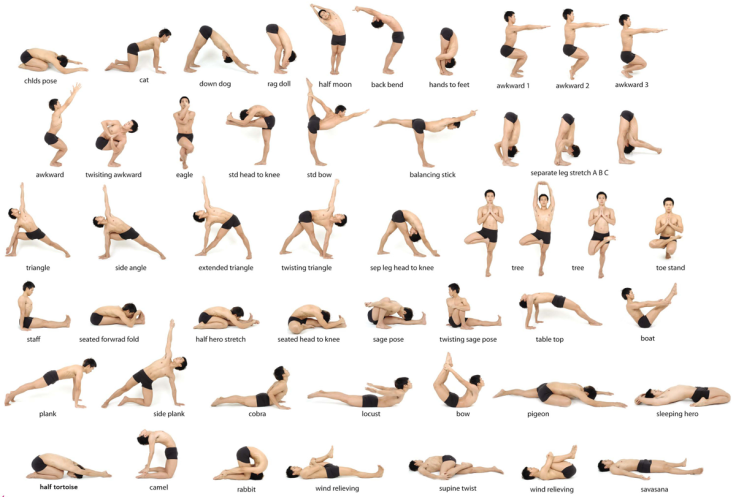
As a beginner, it’s essential to start with basic poses that lay the foundation for more advanced practices. Here are a few fundamental poses to incorporate into your routine:
1. Mountain Pose (Tadasana)
This pose is the blueprint for other standing poses. It helps improve posture and balance.
- Stand with feet together, arms at your sides.
- Engage your thighs and lift your chest.
- Relax your shoulders and keep your chin parallel to the floor.
- Breathe deeply, holding for several breaths.
2. Downward-Facing Dog (Adho Mukha Svanasana)
A key pose in many yoga sequences, it stretches the entire body and strengthens the arms and legs.
- Start on all fours, with hands under shoulders and knees under hips.
- Spread your fingers wide, pressing firmly into the mat.
- Lift your knees off the ground, straightening your legs while pushing your hips up and back.
- Keep your head between your arms, ears in line with your upper arms.
- Hold for several breaths, pressing your heels towards the ground.
3. Warrior I (Virabhadrasana I)
This pose builds strength and endurance in the legs and core, while opening the hips and chest.
- Step one foot forward and bend the knee, keeping the other leg straight behind you.
- Turn your back foot slightly outward for balance.
- Raise your arms overhead, keeping shoulders relaxed and core engaged.
- Hold for several breaths, then switch sides.
4. Child’s Pose (Balasana)
A restorative pose used to rest and relax the body, it’s perfect for regaining calm and focus.
- Kneel on the mat, sitting back on your heels.
- Fold forward, extending your arms in front of you or resting them alongside your body.
- Rest your forehead on the mat and breathe deeply.
- Stay in this pose for as long as needed to feel rejuvenated.
Creating a Routine: Your Beginner Yoga Workout
Consistency is key when starting a new yoga practice. Aim for at least three sessions per week, gradually increasing as you become more comfortable. Here’s a simple routine to get you started:
Warm-Up
Begin with a few minutes of gentle stretching and deep breathing to prepare your body and mind.
Sequence
- Mountain Pose (Tadasana) – 1 minute
- Downward-Facing Dog (Adho Mukha Svanasana) – 1 minute
- Warrior I (Virabhadrasana I) – 1 minute per side
- Child’s Pose (Balasana) – 1 minute
- Repeat the sequence 2-3 times
Cool Down
End your session with a few minutes of meditation or deep breathing exercises to relax and center yourself.
Mindful Breathing: The Essence of Yoga
Breathing is an integral part of yoga, connecting movement with mind. Practicing mindful breathing enhances focus and reduces stress, allowing you to fully engage in each pose.
- Deep Breathing: Inhale deeply through the nose, filling your lungs. Exhale slowly, releasing tension.
- Ujjayi Breath: Also known as the “victorious breath,” it involves inhaling and exhaling through the nose while slightly constricting the throat, creating a soft hissing sound.
Staying Motivated: Tips for Success
Starting a new practice can be challenging, but staying motivated is crucial for long-term success. Here are some tips to keep you on track:
- Set Goals: Define clear, achievable goals for your practice. Whether it’s improving flexibility or reducing stress, having a goal keeps you focused.
- Practice Regularly: Consistency is key. Even short daily sessions can be beneficial.
- Find a Community: Joining a local class or online group can provide support and inspiration.
- Be Patient: Progress takes time. Celebrate small victories and be patient with yourself.
Conclusion: Embrace the Journey
Yoga is more than just a workout; it’s a journey towards a healthier, more balanced life. By incorporating yoga into your routine, you’ll not only improve physical fitness but also cultivate inner peace and resilience. Remember, every expert was once a beginner. So, unroll your mat, take a deep breath, and embrace the transformative power of yoga. Your journey starts now.
#ChatGPT assisted in the creation of this article.
