Yoga is more than just a physical exercise; it is a holistic practice that promotes physical health, mental clarity, and spiritual growth. For those new to yoga, the journey can be both exciting and overwhelming. This guide aims to simplify the process and help you embark on your yoga journey with confidence.
Understanding Yoga
Before diving into poses and routines, it’s essential to understand what yoga truly is. Yoga is an ancient practice that originated in India over 5,000 years ago. It integrates physical postures (asanas), breathing techniques (pranayama), and meditation to enhance overall well-being. Yoga is not merely a workout but a comprehensive lifestyle choice that encourages a balanced and mindful way of living.
Benefits of Yoga
Yoga offers numerous benefits that cater to both the body and mind. Physically, yoga enhances flexibility, strength, and posture. It helps alleviate chronic pain, supports cardiovascular health, and boosts the immune system. Mentally, yoga reduces stress, anxiety, and depression, improving overall mental clarity and concentration. Spiritually, it fosters a sense of peace and connectedness.
Types of Yoga
There are various styles of yoga, each with its unique focus and benefits. As a beginner, it’s vital to explore different types to find what resonates with you.
Hatha Yoga
Hatha yoga is ideal for beginners. It involves gentle, basic postures and is often slow-paced, making it perfect for newcomers to learn alignment and relaxation techniques.
Vinyasa Yoga
Vinyasa yoga is dynamic and flow-based, linking breath with movement. This style can be more physically demanding but is excellent for those who enjoy a more vigorous workout.
Yin Yoga
Yin yoga targets deep connective tissues and improves flexibility through passive postures held for longer durations. It’s ideal for those looking to relax and stretch deeply.
Restorative Yoga
Restorative yoga focuses on relaxation and stress relief. Poses are gentle and supported by props, encouraging deep rest and healing.
Getting Started with Yoga
Starting yoga requires minimal equipment and can be done in the comfort of your home or at a studio. Here are some steps to get you started:
1. Set Your Intention
Begin by setting a clear intention for your yoga practice. Whether it’s to increase flexibility, reduce stress, or improve overall health, having a goal will keep you motivated.
2. Choose a Suitable Space
Select a quiet, comfortable space in your home where you can practice without distractions. Ensure it’s clean and has enough room for you to move freely.
3. Gather Essential Equipment
While yoga doesn’t require much equipment, a few essentials can enhance your practice. Invest in a good-quality yoga mat for stability and comfort. Additional props like yoga blocks, straps, and bolsters can provide support and help with alignment, especially in more challenging poses.
4. Wear Comfortable Clothing
Opt for breathable, stretchy clothing that allows unrestricted movement. Avoid clothing that is too loose as it may get in the way during poses.
5. Start with Simple Poses
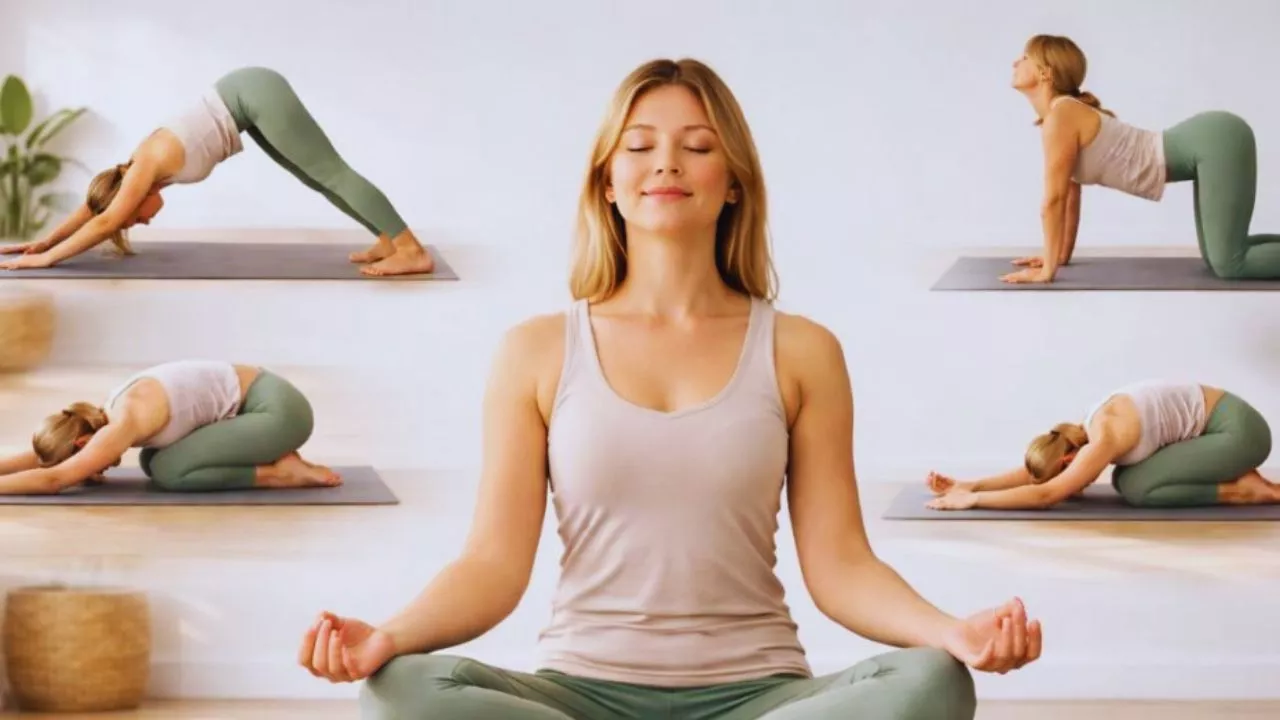
As a beginner, focus on mastering basic poses to build a strong foundation. Here are five essential poses to start with:
- Mountain Pose (Tadasana): A grounding pose that improves posture and balance.
- Downward-Facing Dog (Adho Mukha Svanasana): An energizing pose that stretches the entire body.
- Warrior I (Virabhadrasana I): A powerful pose that strengthens the legs and improves concentration.
- Tree Pose (Vrksasana): A balancing pose that enhances focus and stability.
- Child’s Pose (Balasana): A restorative pose that provides relaxation and relief from tension.
6. Focus on Your Breath
Breathing is a fundamental aspect of yoga. Practice deep, mindful breathing to increase oxygen flow, reduce stress, and improve concentration. Try to synchronize your breath with your movements.
7. Be Patient and Consistent
Yoga is a journey, not a destination. Progress takes time, so be patient with yourself. Aim to practice regularly, even if it’s just for a few minutes each day, to experience the full benefits of yoga.
Common Challenges and How to Overcome Them
As a beginner, you may encounter challenges in your yoga practice. Here are some common hurdles and ways to overcome them:
Physical Limitations
Everyone’s body is different. Listen to your body and modify poses as needed. Use props for support and don’t push yourself beyond your limits.
Lack of Motivation
Set realistic goals and track your progress. Joining a yoga class or practicing with a friend can also boost motivation.
Difficulty Focusing
Begin each session with a short meditation or breathing exercise to calm your mind. Consistent practice will naturally improve your focus over time.
Finding a Yoga Class or Instructor
While practicing at home is convenient, attending a class can provide valuable instruction and community support. Here are some tips for finding the right class or instructor:
Research Local Studios
Look for studios that offer beginner classes or workshops. Many studios also offer online classes, allowing you to practice from home with expert guidance.
Check Instructor Credentials
Ensure the instructor is certified and experienced in teaching beginners. A knowledgeable instructor can provide personalized guidance and adjustments.
Attend a Trial Class
Many studios offer trial classes or discounted introductory packages. Take advantage of these to find a class that suits your needs and preferences.
Conclusion
Embarking on a yoga journey as a beginner is a rewarding experience that can transform your physical, mental, and spiritual well-being. By understanding the fundamentals, setting clear intentions, and practicing regularly, you can cultivate a lifelong practice that enriches your life. Remember, yoga is a personal journey, so embrace the process, listen to your body, and enjoy the beautiful transformation that unfolds.
#ChatGPT assisted in the creation of this article.
