
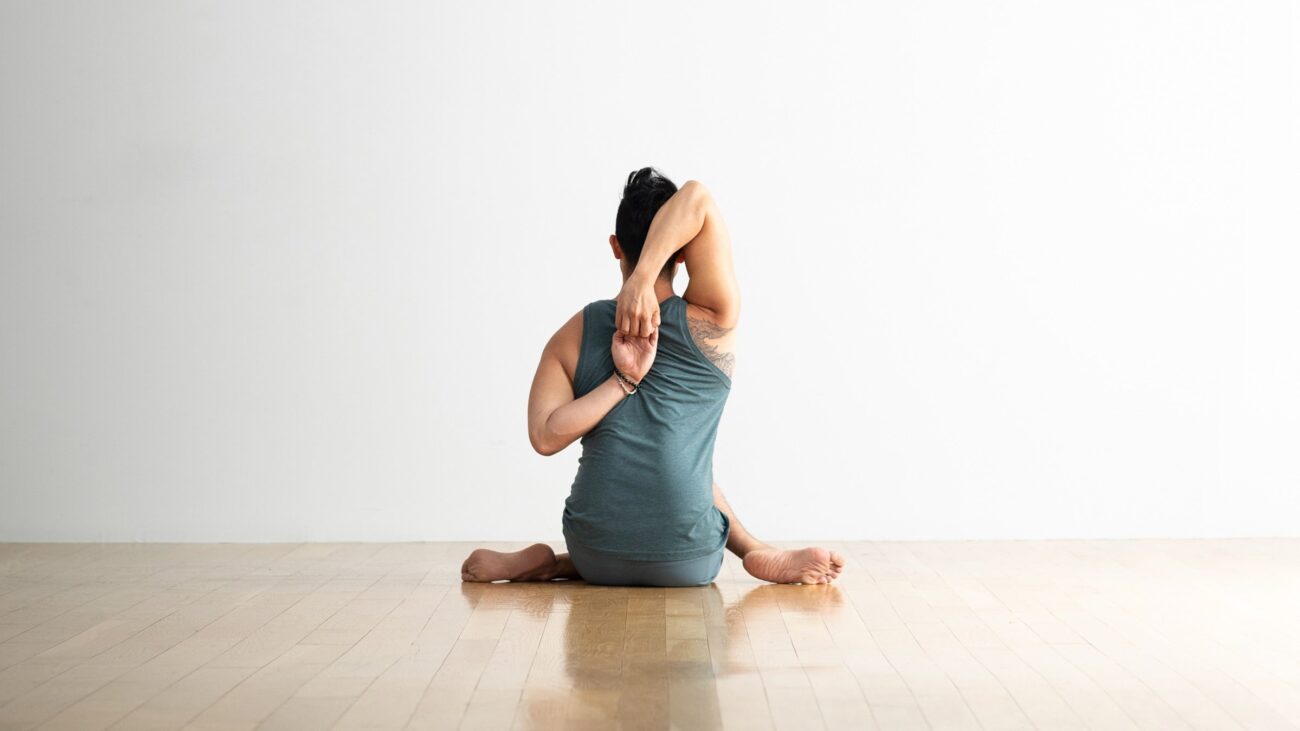
Neck pain is a common ailment that affects millions of people worldwide, often resulting from poor posture, stress, or muscular tension. While medications and therapies are available, yoga offers a natural, holistic approach to alleviate neck pain. Yoga not only helps in reducing pain but also improves flexibility, strength, and overall well-being. This article delves into effective yoga poses that can help relieve neck pain, providing a comprehensive guide for those seeking a non-invasive remedy.
Understanding Neck Pain
Before diving into the yoga poses, it is essential to understand the underlying causes of neck pain. The neck, or cervical spine, is composed of vertebrae that extend from the skull to the upper torso. It supports the head’s weight and allows for a range of motion. However, due to its complexity and mobility, the neck is vulnerable to various issues, including:
– **Poor Posture**: Slouching, hunching over devices, or sitting improperly can strain neck muscles.
– **Muscle Strain**: Overuse or sudden movements can lead to muscle strain.
– **Stress and Tension**: Emotional stress often results in tension in the neck and shoulders.
– **Medical Conditions**: Conditions such as arthritis or herniated discs can cause chronic neck pain.
Yoga, with its focus on gentle stretching and strengthening exercises, can address these issues effectively.
Benefits of Yoga for Neck Pain
Yoga offers numerous benefits for those suffering from neck pain:
– **Improved Posture**: Yoga helps in realigning the body, promoting better posture, and reducing strain on the neck.
– **Increased Flexibility**: Regular practice increases flexibility, reducing stiffness and tension in the neck muscles.
– **Strengthening Muscles**: Yoga strengthens the muscles that support the neck, preventing future injuries.
– **Stress Reduction**: The mindful nature of yoga promotes relaxation, reducing stress-related neck tension.
– **Enhanced Blood Circulation**: Yoga improves blood flow, which aids in healing and reducing inflammation.
Effective Yoga Poses for Neck Pain Relief
Here are some of the most effective yoga poses to alleviate neck pain:
1. Cat-Cow Stretch (Marjaryasana-Bitilasana)
**Description**: This is a gentle flow between two poses that warms up the spine and relieves tension in the neck.
**How to Do It**:
– Start on your hands and knees in a tabletop position.
– As you inhale, arch your back, letting your belly drop toward the floor (Cow Pose).
– Lift your head and tailbone towards the sky.
– On the exhale, round your spine towards the ceiling, and tuck your chin to your chest (Cat Pose).
– Continue flowing between these two poses for several breaths.
**Benefits**: Enhances flexibility and releases tension in the neck and spine.
2. Child’s Pose (Balasana)
**Description**: A restful pose that gently stretches the back, neck, and shoulders.
**How to Do It**:
– Kneel on the floor with your big toes touching and knees spread apart.
– Sit back on your heels and stretch your arms forward, lowering your torso between your thighs.
– Rest your forehead on the mat.
– Breathe deeply, allowing your neck and shoulders to relax.
**Benefits**: Relieves tension in the back and neck, promoting relaxation.
3. Neck Release
**Description**: A simple exercise to stretch and release tension in the neck.
**How to Do It**:
– Sit comfortably with your spine straight.
– Gently lower your right ear towards your right shoulder.
– Use your right hand to apply slight pressure to deepen the stretch.
– Hold for 30 seconds, then switch sides.
**Benefits**: Targets and releases tight neck muscles, improving flexibility.
4. Thread the Needle Pose (Parsva Balasana)
**Description**: A twisting pose that stretches and releases tension in the shoulders and neck.
**How to Do It**:
– Begin in a tabletop position.
– Slide your right arm under your left arm, bringing your right shoulder and ear to the mat.
– Keep your left arm extended, or wrap it around your back.
– Hold for several breaths before switching sides.
**Benefits**: Stretches the shoulders and neck, reducing tension and stiffness.
5. Seated Forward Bend (Paschimottanasana)
**Description**: A deep stretch for the back and neck, promoting relaxation.
**How to Do It**:
– Sit with your legs extended in front of you.
– Inhale and lengthen your spine, then exhale and fold forward, reaching for your feet.
– Let your head relax, tucking your chin slightly.
– Hold for several breaths.
**Benefits**: Stretches the spine and neck, calming the mind and reducing stress.
6. Ear to Shoulder/Side Neck Stretch
**Description**: A seated stretch that targets the sides of the neck.
**How to Do It**:
– Sit upright with your shoulders relaxed.
– Drop your right ear toward your right shoulder.
– Extend your left arm down towards the floor.
– Hold for 30 seconds, feeling the stretch along the left side of your neck.
– Repeat on the other side.
**Benefits**: Releases tension and increases flexibility in the neck.
7. Corpse Pose (Savasana)
**Description**: A relaxation pose that allows the body to integrate the benefits of the practice.
**How to Do It**:
– Lie on your back with your arms by your sides, palms facing up.
– Close your eyes and breathe deeply, allowing your entire body to relax.
– Stay in this pose for at least 5 minutes.
**Benefits**: Promotes deep relaxation and stress relief, essential for reducing neck tension.
Precautions and Tips
While yoga is generally safe, it is essential to practice with caution, especially if you have severe neck pain or any underlying conditions. Here are some precautions and tips:
– **Consult a Professional**: If you have chronic neck pain or a medical condition, consult a healthcare professional or a certified yoga instructor before starting a yoga practice.
– **Listen to Your Body**: Avoid pushing yourself into painful positions. Yoga should not cause pain.
– **Use Props**: Utilize yoga props like blocks or blankets to support your practice and prevent strain.
– **Warm-Up**: Always warm up your body before attempting deeper stretches to prevent injuries.
– **Breathe Mindfully**: Focus on your breath to enhance relaxation and reduce tension.
Conclusion
Yoga offers a gentle, effective approach to relieving neck pain and improving overall well-being. By incorporating these yoga poses into your routine, you can alleviate tension, enhance flexibility, and promote relaxation. Remember to practice mindfully, listening to your body and seeking guidance if needed. With consistent practice, yoga can be a powerful tool in managing neck pain and enhancing your quality of life.
