
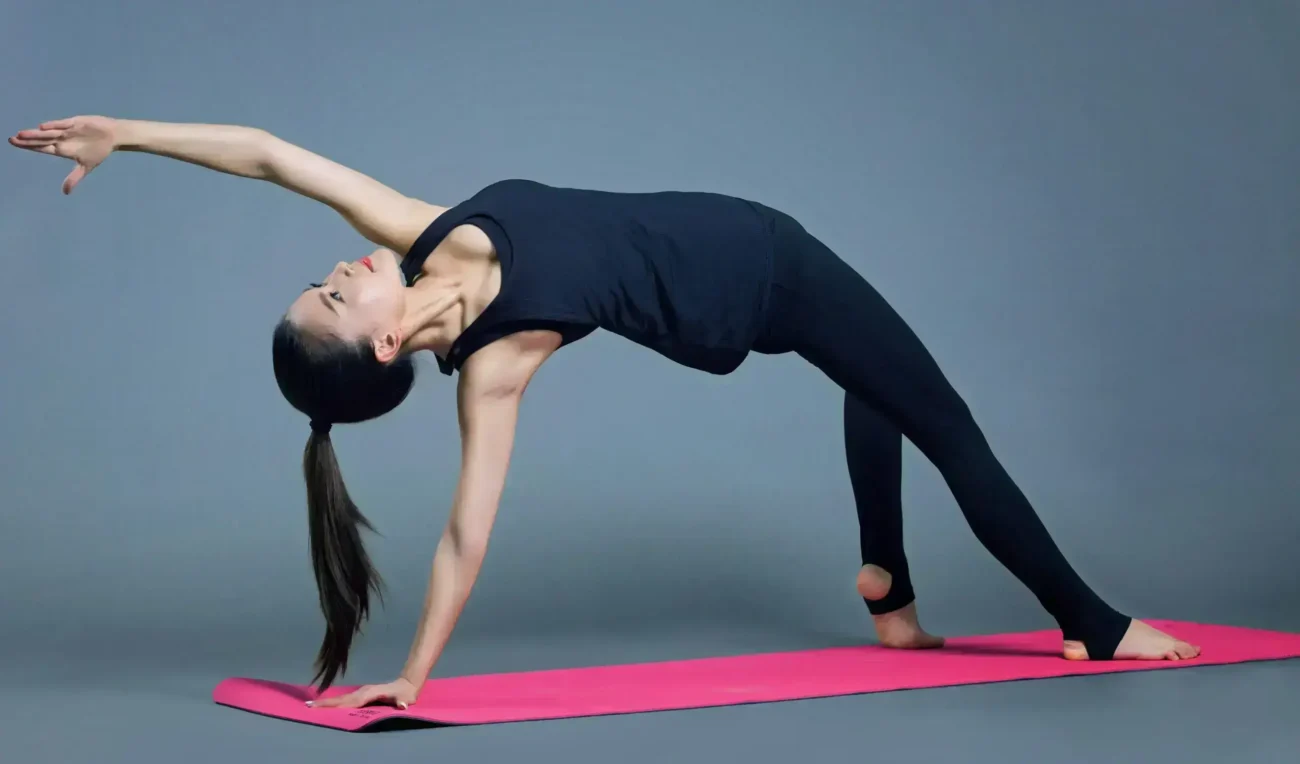
Yoga is more than just a form of exercise; it’s a holistic practice that unites the mind, body, and spirit. When performed with proper form, yoga offers a myriad of benefits, ranging from increased flexibility and strength to enhanced mental clarity and relaxation. However, achieving these benefits requires attention to detail and a commitment to mastering the correct form for each pose. In this article, we’ll explore the importance of proper yoga form, provide tips for achieving optimal alignment, and offer guidance on some of the most foundational poses.
Why Proper Form Matters
Proper form in yoga is crucial for several reasons. Firstly, it ensures that you are maximizing the physical benefits of each pose. When your body is aligned correctly, muscles are engaged appropriately, and the risk of injury is minimized. Secondly, correct form enhances your breathwork, helping you maintain focus and achieve a meditative state. Lastly, proper alignment supports the energetic flow throughout the body, promoting balance and wellness.
The Fundamentals of Yoga Alignment
Achieving proper yoga form starts with understanding the principles of alignment. Here are some key concepts to keep in mind:
1. Foundation
Every pose begins with a strong foundation. Whether you are standing, sitting, or lying down, distribute your weight evenly and ground yourself. In standing poses, this often means pressing through the four corners of your feet and engaging your legs.
2. Neutral Spine
Maintaining a neutral spine is essential to prevent strain and support your posture. This means aligning the natural curves of your spine and avoiding excessive arching or rounding.
3. Core Engagement
Your core muscles support your spine and help maintain balance. Engaging your core in each pose provides stability and prevents unnecessary tension in other areas.
4. Joint Alignment
Alignment of joints, particularly the knees, elbows, and shoulders, is crucial to prevent injury. For example, when bending your knees, ensure they track over your toes.
5. Breath
Breath is the bridge between body and mind in yoga. Use your breath to deepen into poses and maintain focus. Inhale to create space and exhale to move deeper into stretches.
Mastering Foundational Yoga Poses
To truly harness the benefits of yoga, it’s important to master the foundational poses. These poses form the building blocks for more advanced asanas and provide a solid base for your practice.
Mountain Pose (Tadasana)
Mountain Pose is the blueprint for all standing poses. It teaches the principles of alignment and grounding.
– Stand with your feet together or hip-width apart.
– Spread your toes and distribute your weight evenly.
– Engage your thighs and draw your kneecaps upwards.
– Lengthen your spine, keeping your shoulders relaxed and your chest open.
– Let your arms hang by your sides, palms facing forward.
– Take deep breaths, feeling grounded and centered.
Downward-Facing Dog (Adho Mukha Svanasana)
This pose stretches the entire body and builds strength in the arms and legs.
– Start on your hands and knees, with wrists aligned under shoulders and knees under hips.
– Spread your fingers wide and press firmly into the mat.
– Tuck your toes and lift your hips towards the ceiling, forming an inverted V shape.
– Keep your spine long and let your head hang between your arms.
– Bend your knees slightly if needed to maintain a flat back.
– Press your heels towards the ground for a deeper stretch.
Warrior I (Virabhadrasana I)
Warrior I is a powerful pose that builds strength in the legs and opens the chest.
– Begin in Mountain Pose and step one foot back about 3 to 4 feet.
– Turn your back foot slightly inward and align your front heel with the arch of your back foot.
– Bend your front knee, ensuring it is directly over your ankle.
– Raise your arms overhead, palms facing each other.
– Square your hips towards the front and gaze forward.
– Hold the pose, focusing on your breath, and then switch sides.
Tree Pose (Vrksasana)
Tree Pose improves balance and strengthens the legs and core.
– Stand tall in Mountain Pose.
– Shift your weight onto your left foot and lift your right foot off the ground.
– Place the sole of your right foot on your inner left thigh or calf, avoiding the knee.
– Bring your hands to your heart center or raise them overhead.
– Find a focal point (drishti) to maintain balance.
– Hold the pose, then switch sides.
Common Mistakes and How to Avoid Them
Even seasoned practitioners can fall into common pitfalls in their yoga practice. Here are some mistakes to watch for and tips to correct them:
Overarching the Back
In poses like Downward-Facing Dog or Warrior I, practitioners may arch their backs excessively. To avoid this, focus on engaging your core and lengthening your spine.
Locked Joints
Locking joints, especially knees and elbows, can lead to strain. Keep a micro-bend in these areas to maintain fluidity and protect your joints.
Holding the Breath
Breath should flow naturally with your movements. If you find yourself holding your breath, ease out of the pose until you regain a steady rhythm.
Misaligned Knees
In standing poses, ensure your knees track over your toes to prevent strain or injury. Imagine pressing your knees outward slightly to maintain alignment.
Tips for Enhancing Your Practice
Mastering proper yoga form is a continuous journey that evolves with your practice. Here are some additional tips to enhance your learning:
1. Use Props
Props like blocks, straps, and bolsters can provide support and facilitate proper alignment. Don’t hesitate to use them to deepen your practice safely.
2. Seek Guidance
Attending classes with experienced instructors can provide valuable insights into your alignment. They can offer adjustments and personalized feedback.
3. Practice Mindfulness
Yoga is not just about the physical poses; it’s about connecting with yourself. Incorporate mindfulness and meditation into your practice to deepen your experience.
4. Consistent Practice
Consistency is key to progress. Set a regular schedule for your practice and make it a priority in your routine.
5. Listen to Your Body
Honor your body’s limits and don’t push through pain. Yoga is a practice of self-awareness, so always prioritize your well-being.
Conclusion
Mastering proper yoga form is an essential step in unlocking the full potential of your practice. By focusing on alignment, breath, and mindfulness, you can enhance the physical, mental, and spiritual benefits of yoga. Whether you’re a beginner or an experienced yogi, committing to the fundamentals will support your journey towards a more balanced and harmonious life. Remember, yoga is a lifelong practice, and with dedication and patience, you can continue to grow and transform on and off the mat.
