
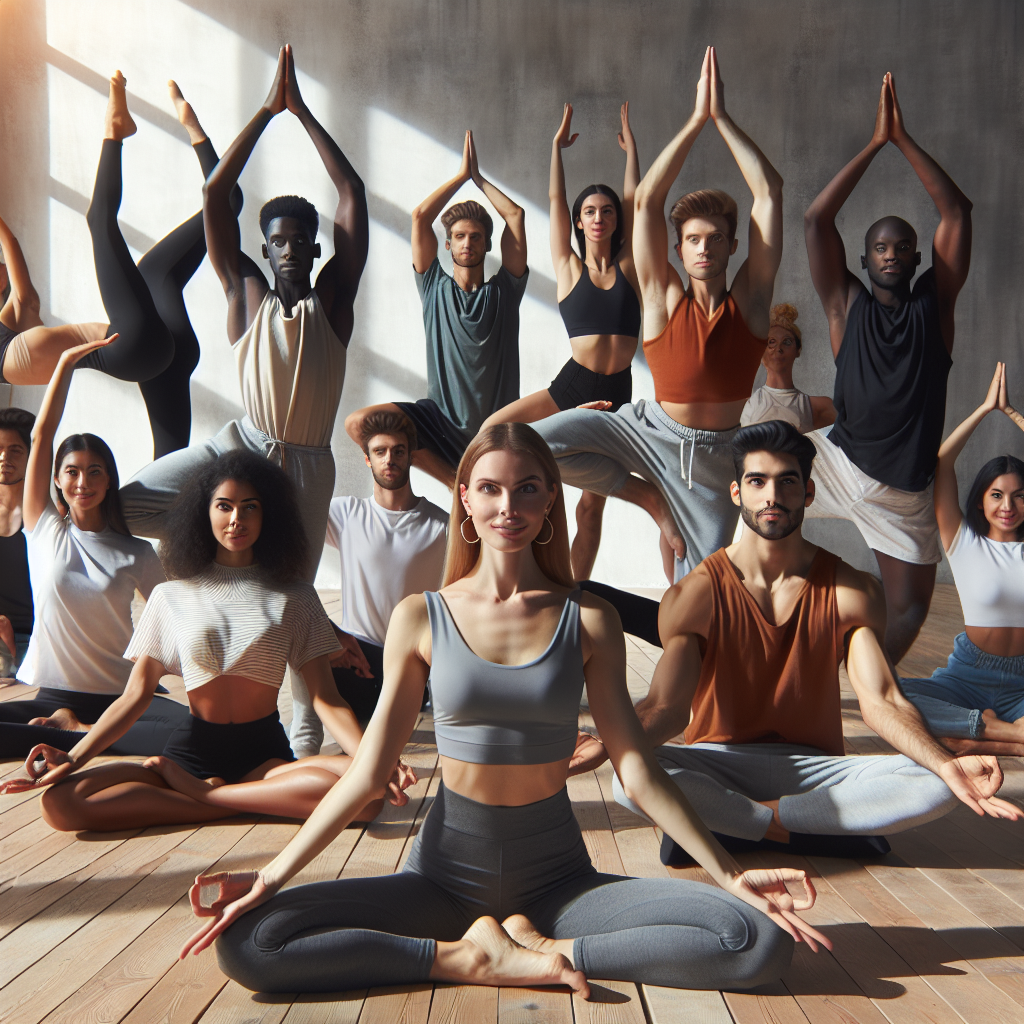
Yoga has long been celebrated for its ability to enhance flexibility, strength, and mental clarity. While traditional poses provide a solid foundation, exploring unique variations can further unleash your flexibility and deepen your practice. This article delves into creative adaptations of classic yoga poses that challenge your body in new ways, invigorate your routine, and help you progress on your journey to enhanced flexibility.
Why Flexibility Matters in Yoga
Flexibility is a key component of yoga, contributing to overall physical health and well-being. It allows for greater range of motion, reduces the risk of injury, and enhances muscular balance. A flexible body also supports a flexible mind, promoting adaptability and resilience. Incorporating unique pose variations can help break through plateaus and keep your practice fresh and engaging.
Foundational Poses and Their Unique Variations
Downward-Facing Dog (Adho Mukha Svanasana) Variations
The Downward-Facing Dog is a staple in many yoga practices, offering a full-body stretch and strengthening the arms and legs. To add variety and challenge, consider these unique variations:
– **Three-Legged Downward Dog**: Lift one leg high, keeping the hips square. This variation increases the stretch in the supporting leg and engages the core.
– **Twisted Downward Dog**: Reach one hand to the opposite ankle, creating a gentle twist in the spine. This variation enhances spinal flexibility and shoulder strength.
Warrior II (Virabhadrasana II) Variations
Warrior II is known for building strength and stability in the legs while opening the hips. To amplify its benefits, try these variations:
– **Reverse Warrior**: From Warrior II, lean back, reaching the upper arm over your head. This pose stretches the side body and enhances balance.
– **Extended Side Angle**: Place the front elbow on the knee or extend the arm to the ground, deepening the hip and side body stretch.
Tree Pose (Vrksasana) Variations
Tree Pose fosters balance and concentration while strengthening the legs. Experiment with these variations to boost flexibility and focus:
– **Raised Tree Pose**: Lift your leg higher, placing the foot on the opposite thigh. This elevation challenges balance and opens the hip further.
– **Twisted Tree Pose**: Add a twist by bringing the opposite elbow to the knee, engaging the core and promoting spinal flexibility.
Exploring Advanced Pose Variations
King Pigeon Pose (Kapotasana) Variations
King Pigeon Pose is an advanced backbend and hip opener. Unique variations can offer new challenges and benefits:
– **Eka Pada Rajakapotasana (One-Legged King Pigeon)**: Focus on one leg at a time, increasing the depth of the stretch in the hip flexors and quadriceps.
– **Bound Pigeon Pose**: Interlace the fingers behind the back to open the chest and shoulders, enhancing upper body flexibility.
Wheel Pose (Urdhva Dhanurasana) Variations
Wheel Pose is a powerful backbend that strengthens the entire body. Consider these advanced variations for a deeper challenge:
– **One-Legged Wheel**: Lift one leg towards the sky, engaging the core and improving balance.
– **Full Wheel with Hands to Ankles**: Reach the hands towards the ankles while in Wheel Pose, intensifying the backbend and opening the chest.
Side Plank (Vasisthasana) Variations
Side Plank is excellent for building core and arm strength. Experiment with these variations to enhance flexibility and balance:
– **Wild Thing (Camatkarasana)**: From Side Plank, lift the top leg and reach the arm overhead, creating a backbend and side stretch.
– **Tree Side Plank**: Bring the foot of the top leg to the inner thigh of the bottom leg, merging balance and flexibility.
Incorporating Props for Enhanced Flexibility
Props like blocks, straps, and bolsters can enhance your practice by providing support and facilitating deeper stretches. Here are some ways to incorporate props:
– **Blocks in Forward Folds**: Place blocks under the hands to bring the ground closer, allowing for a deeper stretch in the hamstrings.
– **Straps in Seated Forward Bend**: Use a strap around the feet to gently pull yourself deeper into the stretch, lengthening the spine and hamstrings.
Creating a Balanced Practice
While exploring unique pose variations can be exciting, it’s essential to maintain a balanced practice. Here are some tips to ensure harmony:
– **Warm-Up Properly**: Prepare your body with dynamic stretches and gradual warm-ups to prevent injury.
– **Listen to Your Body**: Pay attention to your body’s signals and modify poses as needed to avoid strain.
– **Cool Down and Rest**: Conclude your practice with gentle stretches and relaxation to promote recovery and integration.
The Mind-Body Connection
Yoga is not only a physical practice but also a journey of self-awareness and mindfulness. As you explore unique variations, focus on the mind-body connection:
– **Breath Awareness**: Use your breath to guide movements and deepen stretches, fostering a meditative state.
– **Mindful Movement**: Pay attention to the sensations and emotions that arise during your practice, cultivating presence and introspection.
Conclusion
Unleashing flexibility with unique yoga pose variations is a rewarding journey that enriches both body and mind. By experimenting with creative adaptations, you can break through limitations, challenge your body in new ways, and keep your practice dynamic and engaging. Remember that yoga is a personal journey, and each pose offers an opportunity for growth and self-discovery. Embrace the process, listen to your body, and enjoy the transformative power of yoga as you unleash your flexibility.
