
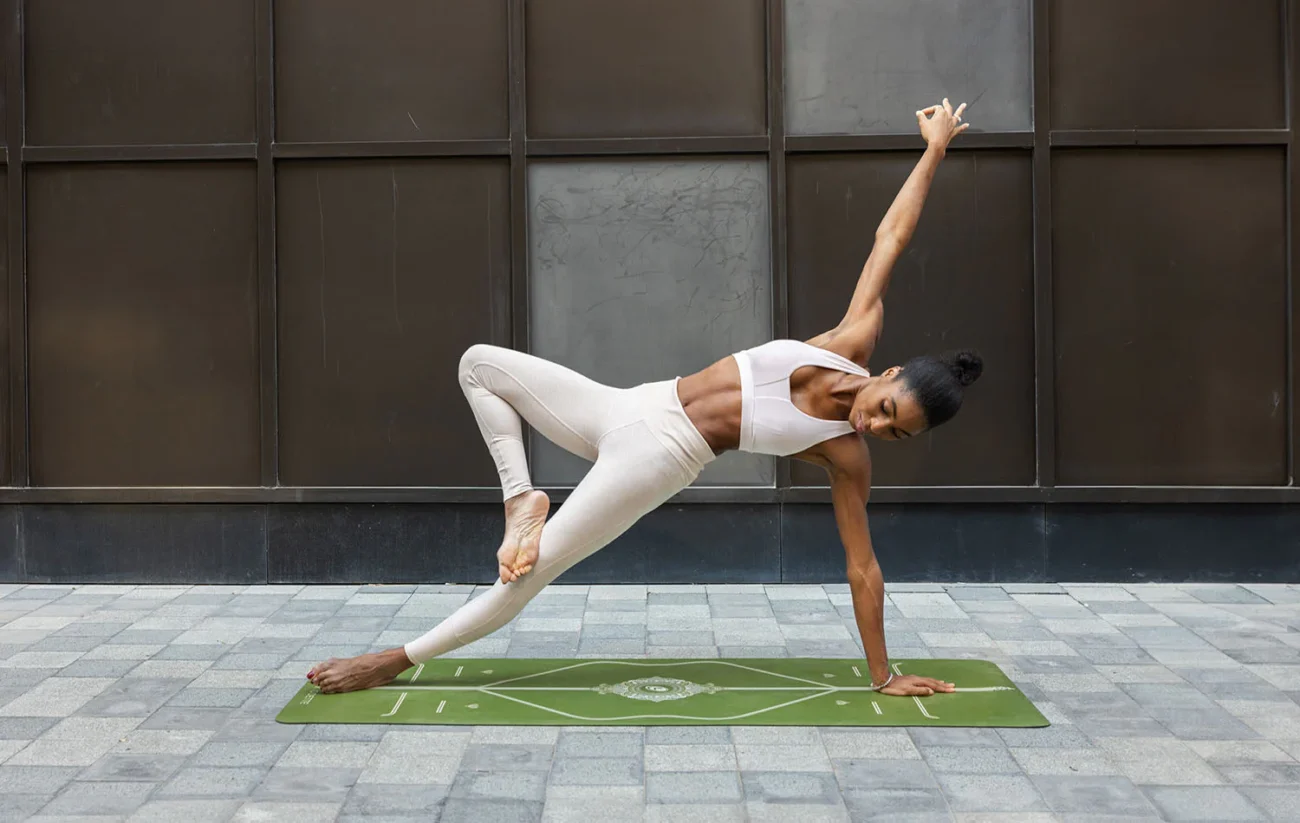
Yoga is a transformative practice renowned for its ability to enhance flexibility, build strength, and promote mental clarity. For those looking to unlock flexibility, a structured sequence of yoga poses can be particularly beneficial. This guide presents the ultimate yoga pose sequence designed to gradually improve your flexibility, catering to all levels of practitioners. Whether you are a beginner or an experienced yogi, this sequence will help you deepen your practice and unlock your body’s potential.
The Importance of Flexibility in Yoga
Flexibility is a key component of a balanced yoga practice. It not only allows for greater range of motion but also helps prevent injuries and improves overall physical performance. In yoga, flexibility is more than just being able to bend or stretch; it is about creating space in the body to allow for better alignment and ease in movement.
Regular practice of flexibility-focused yoga poses can lead to a more fluid and harmonious body, which in turn enhances your ability to perform more advanced poses and transitions. Moreover, increasing flexibility can alleviate tension and stress, contributing to a sense of well-being and mental clarity.
Preparation for Your Flexibility Sequence
Before diving into the yoga sequence, it’s important to prepare your body. A proper warm-up increases blood flow to the muscles and prepares the joints for movement, reducing the risk of injury. Begin with some gentle stretches, deep breathing, and perhaps a few rounds of Sun Salutations to get your energy flowing.
The Ultimate Yoga Pose Sequence
This sequence is crafted to target key areas of the body, enhancing flexibility in the hips, spine, shoulders, and hamstrings. Move through each pose with mindfulness, paying attention to your breath and alignment.
1. Mountain Pose (Tadasana)
Start your sequence with Mountain Pose to ground yourself and bring awareness to your body. Stand tall with feet hip-width apart, arms by your sides, and shoulders relaxed. Engage your thighs, lift your chest, and lengthen through the crown of your head. Take a few deep breaths here, setting an intention for your practice.
2. Forward Fold (Uttanasana)
From Mountain Pose, inhale and reach your arms overhead. Exhale as you hinge at the hips, folding forward. Allow your head to hang heavy and your knees to bend slightly if needed. This pose stretches the hamstrings and releases tension in the back.
3. Downward-Facing Dog (Adho Mukha Svanasana)
Plant your hands on the mat and step back into Downward-Facing Dog. This pose stretches the entire back body, including the shoulders, hamstrings, and calves. Focus on lifting your hips up and back, keeping your spine long.
4. Low Lunge (Anjaneyasana)
Step your right foot forward between your hands, lowering your left knee to the mat. Lift your torso and reach your arms overhead. This pose opens the hips and stretches the quadriceps. Hold for a few breaths before repeating on the other side.
5. Triangle Pose (Trikonasana)
Step back into a standing position and widen your stance. Turn your right foot out and extend your arms parallel to the floor. Hinge at the hip to lower your right hand to your shin or the floor, stretching your left arm up. Triangle Pose opens the hips, stretches the hamstrings, and strengthens the legs.
6. Seated Forward Bend (Paschimottanasana)
Sit with your legs extended in front of you. Inhale to lengthen your spine, then exhale to fold forward, reaching for your feet. This pose stretches the spine and hamstrings while calming the mind.
7. Butterfly Pose (Baddha Konasana)
Bring the soles of your feet together, allowing your knees to fall out to the sides. Hold your feet with your hands and gently press your knees toward the floor. Butterfly Pose opens the hips and groin, promoting flexibility in the inner thighs.
8. Pigeon Pose (Eka Pada Rajakapotasana)
From Downward-Facing Dog, bring your right knee forward and place it behind your right wrist. Extend your left leg back, lowering your hips toward the mat. This intense hip opener releases tension in the glutes and piriformis. Breathe deeply and switch sides after a few breaths.
9. Bridge Pose (Setu Bandhasana)
Lie on your back with knees bent and feet flat on the floor. Press into your feet to lift your hips, opening your chest. Bridge Pose strengthens the back and opens the front body, including the chest and hip flexors.
10. Supine Spinal Twist (Supta Matsyendrasana)
Lie on your back and hug your knees to your chest. Extend your arms out to the sides and drop your knees to one side, keeping your shoulders grounded. This gentle twist releases tension in the spine and promotes flexibility in the back.
11. Corpse Pose (Savasana)
Conclude your practice with Corpse Pose. Lie flat on your back with your arms at your sides and legs extended. Close your eyes and allow your body to relax completely. This pose integrates the benefits of your practice and promotes deep relaxation.
Tips for Enhancing Flexibility
To maximize the benefits of this sequence, consider the following tips:
- Consistency: Practice regularly to see progress in your flexibility. Aim for at least three times a week.
- Breath Awareness: Use your breath to facilitate movement. Inhale to lengthen, exhale to deepen into stretches.
- Listen to Your Body: Never push into pain. Respect your body’s limits and modify poses as needed.
- Stay Hydrated: Drink plenty of water before and after your practice to keep your muscles hydrated and pliable.
Conclusion
The journey to unlocking flexibility is a rewarding one, offering both physical and mental benefits. By following this ultimate yoga pose sequence, you can gradually improve your flexibility, enhance your overall well-being, and deepen your yoga practice. Remember to approach each pose with patience and mindfulness, and enjoy the journey of transformation that yoga offers.
