
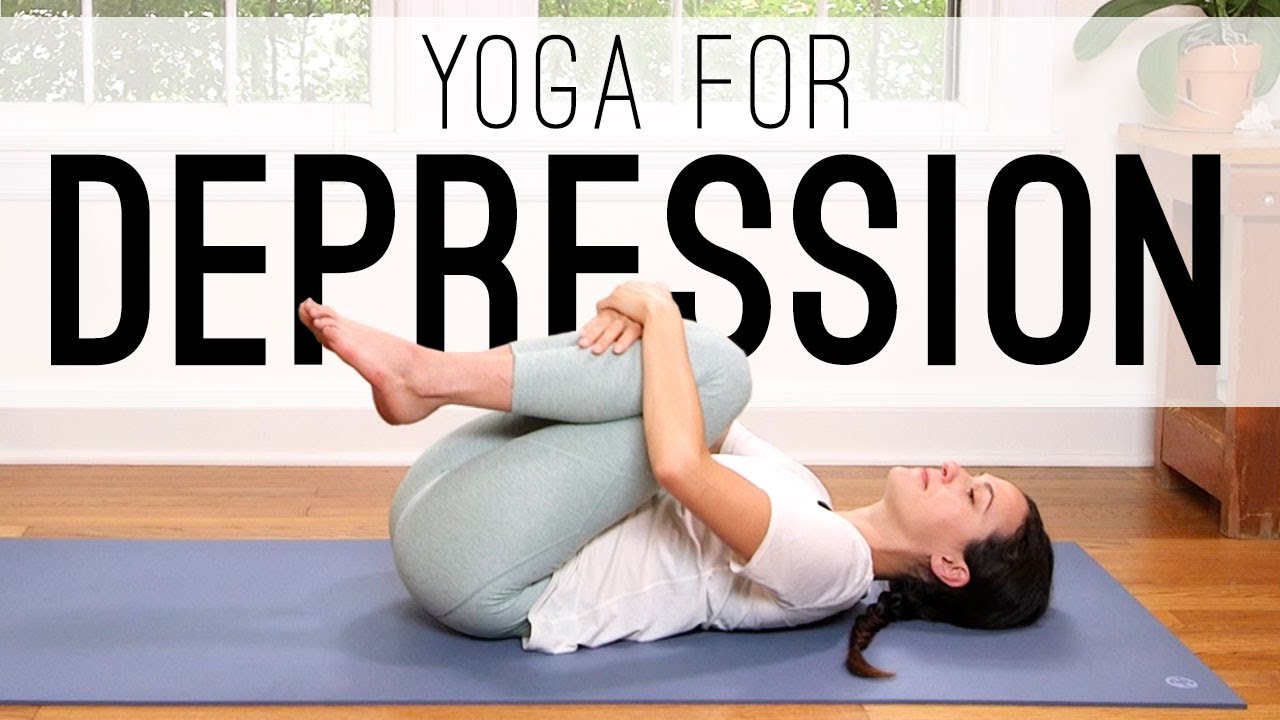
Depression is a mental health condition that affects millions of people worldwide. It can manifest as persistent sadness, loss of interest in activities, and a decrease in energy levels, among other symptoms. While traditional treatments like medication and therapy are effective for many, incorporating holistic practices such as yoga can significantly enhance the healing process. This article explores transformative yoga techniques that can help alleviate depression, offering a natural and empowering approach to mental well-being.
Understanding the Connection Between Yoga and Mental Health
Yoga is an ancient practice that combines physical postures, breathing exercises, and meditation to promote holistic health. The connection between yoga and mental health is well-documented, with research indicating that yoga can reduce symptoms of depression and anxiety. The practice increases the production of neurotransmitters like serotonin and dopamine, which are crucial for mood regulation. Moreover, yoga encourages mindfulness, helping individuals develop a deeper awareness of their thoughts and emotions, which is essential for mental health management.
The Science Behind Yoga’s Impact on Depression
Several scientific studies have shown that yoga can be a powerful tool in managing depression. Yoga helps regulate the autonomic nervous system by activating the parasympathetic nervous system, which promotes relaxation and reduces stress. This physiological response can decrease the production of stress hormones such as cortisol, which are often elevated in individuals with depression. Furthermore, the practice of yoga increases brain-derived neurotrophic factor (BDNF), a protein that supports the growth and survival of neurons, potentially reversing some of the neurological impacts of depression.
Transformative Yoga Techniques for Alleviating Depression
1. Pranayama (Breathing Exercises)
Breathing exercises are foundational to yoga and can have a profound impact on mental health. Pranayama helps calm the mind, reduce stress, and improve emotional regulation. Techniques like Nadi Shodhana (alternate nostril breathing) and Bhramari (humming bee breath) are particularly effective in soothing the nervous system and promoting relaxation. Practicing these exercises daily can enhance emotional stability and clarity of thought.
2. Asanas (Physical Postures)
Certain yoga poses are known for their mood-boosting effects. Poses such as Balasana (Child’s Pose), Setu Bandhasana (Bridge Pose), and Adho Mukha Svanasana (Downward-Facing Dog) can help release tension and promote relaxation. These postures stimulate the vagus nerve, which plays a crucial role in regulating stress and emotional responses. Incorporating a sequence of these poses into your daily routine can provide a holistic mood lift.
3. Meditation and Mindfulness
Meditation is a cornerstone of yoga that cultivates mindfulness and self-awareness. Practicing meditation regularly can reduce symptoms of depression by helping individuals break free from negative thought patterns. Techniques such as loving-kindness meditation and mindfulness meditation encourage compassion towards oneself and others, fostering a sense of connection and purpose. Even a short daily meditation practice can significantly impact mental health and well-being.
4. Yoga Nidra (Yogic Sleep)
Yoga Nidra, or yogic sleep, is a deeply restorative practice that guides individuals into a state of conscious relaxation. It involves systematic relaxation of the body and mind, allowing practitioners to reach a state of deep rest. Yoga Nidra can be particularly beneficial for those struggling with insomnia or restlessness, common symptoms of depression. Regular practice can enhance sleep quality and promote emotional healing.
Creating a Personalized Yoga Practice
To maximize the benefits of yoga for depression, it is essential to create a personalized practice that aligns with individual needs and preferences. Consulting with a certified yoga instructor can provide valuable guidance in selecting appropriate techniques and developing a balanced routine. It is important to start slowly and gradually increase the intensity and duration of practice as comfort and confidence grow. Consistency is key in experiencing the transformative effects of yoga on mental health.
Complementing Yoga with Lifestyle Changes
While yoga is a powerful tool for managing depression, it is most effective when combined with other healthy lifestyle practices. Adequate sleep, a balanced diet, and regular physical activity can enhance the benefits of yoga and contribute to overall mental well-being. Additionally, nurturing social connections and engaging in activities that bring joy and fulfillment can further support the healing process.
Conclusion
Yoga offers a comprehensive approach to managing depression by addressing the physical, mental, and emotional aspects of well-being. Through transformative techniques such as pranayama, asanas, meditation, and Yoga Nidra, individuals can cultivate a sense of peace, resilience, and balance. By integrating yoga into daily life and complementing it with healthy lifestyle choices, individuals can empower themselves on the path to mental health recovery. While yoga should not replace professional medical treatment, it can serve as a valuable adjunct in the journey towards healing and transformation.
