
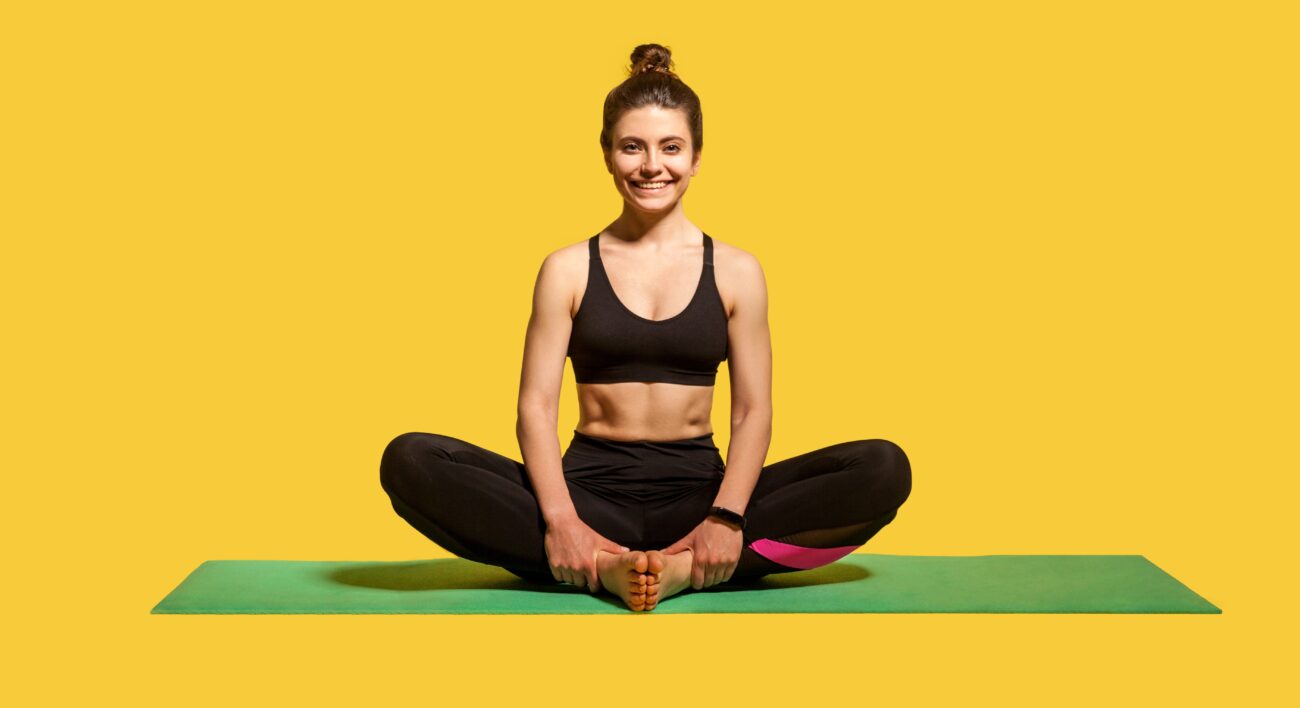
Yoga is a holistic practice that nurtures the mind, body, and spirit. For beginners, starting a yoga routine can seem daunting with the myriad of poses and styles available. However, the beauty of yoga lies in its adaptability and accessibility. This article aims to guide beginners through an effortless yoga routine that can be practiced at home. The focus will be on simplicity, breath, and gentle movements to ease you into the world of yoga.
### Understanding Yoga for Beginners
Yoga is more than just a form of exercise; it’s a journey towards self-awareness and inner peace. As a beginner, it’s essential to approach yoga with an open mind and a willingness to learn. There’s no need to be flexible or fit to start practicing yoga. Instead, listen to your body, respect its limits, and gradually progress at your own pace.
### The Importance of Breath
Breathing is a fundamental aspect of yoga practice. It connects the body and mind, enhances concentration, and increases the efficiency of each pose. When practicing yoga, focus on deep, controlled breathing. This technique, known as pranayama, involves inhaling through the nose, filling the lungs, and exhaling slowly. Breathing with intention helps create a calming effect and prepares the body for movement.
### Setting Up Your Space
Creating a dedicated space for your yoga practice can significantly enhance your experience. Choose a quiet, comfortable space with enough room to move freely. A yoga mat is a valuable investment, providing grip and cushioning. Consider adding a few props, such as blocks or a strap, to assist with certain poses. Finally, set the mood with soothing music or calming scents to create a serene atmosphere.
### Effortless Yoga Routine for Beginners
This beginner-friendly yoga routine focuses on foundational poses that build strength, flexibility, and balance. Each pose is accompanied by simple instructions to help you find the correct alignment and deepen your practice.
#### Mountain Pose (Tadasana)
– **How to Do It:** Stand with feet hip-width apart, arms at your sides. Distribute your weight evenly across both feet. Engage your thighs, lift your chest, and relax your shoulders. Keep your chin parallel to the floor, and gaze forward.
– **Benefits:** Improves posture, balance, and focus.
#### Downward-Facing Dog (Adho Mukha Svanasana)
– **How to Do It:** Start on your hands and knees. Tuck your toes under and lift your hips toward the ceiling, forming an inverted V shape. Keep your hands shoulder-width apart and feet hip-width apart. Press your heels toward the floor and lengthen your spine.
– **Benefits:** Stretches the spine, shoulders, hamstrings, and calves.
#### Cat-Cow Stretch (Marjaryasana-Bitilasana)
– **How to Do It:** Begin on hands and knees in a tabletop position. Inhale, arch your back, and lift your head and tailbone (Cow Pose). Exhale, round your spine, tuck your chin, and draw your belly button toward your spine (Cat Pose). Continue flowing between these poses.
– **Benefits:** Increases flexibility of the spine and releases tension in the back.
#### Child’s Pose (Balasana)
– **How to Do It:** Kneel on the mat, sit back on your heels, and extend your arms forward, lowering your torso to rest between your thighs. Relax your forehead on the mat and breathe deeply.
– **Benefits:** Relieves stress, stretches the back, hips, and thighs.
#### Warrior I (Virabhadrasana I)
– **How to Do It:** From a standing position, step one foot back and bend the front knee, ensuring it is stacked over the ankle. Turn the back foot slightly inward. Raise your arms overhead, keeping your shoulders relaxed.
– **Benefits:** Strengthens legs, opens hips and chest, and builds stamina.
#### Warrior II (Virabhadrasana II)
– **How to Do It:** From Warrior I, open your hips and shoulders to face the side. Extend your arms parallel to the floor, gazing over your front hand.
– **Benefits:** Enhances endurance, concentration, and balance.
#### Tree Pose (Vrksasana)
– **How to Do It:** Stand on one leg, placing the sole of the opposite foot on the inner thigh or calf (avoid the knee). Bring your hands to heart center or raise them overhead. Focus on a point in front of you to maintain balance.
– **Benefits:** Improves balance, concentration, and strengthens legs.
#### Seated Forward Bend (Paschimottanasana)
– **How to Do It:** Sit with legs extended in front of you. Inhale, lengthen your spine, and exhale, fold forward from your hips, reaching for your feet or shins.
– **Benefits:** Stretches the spine, shoulders, and hamstrings.
#### Corpse Pose (Savasana)
– **How to Do It:** Lie flat on your back with arms at your sides, palms facing up. Close your eyes and focus on deep breathing, allowing your body to relax completely.
– **Benefits:** Promotes relaxation, reduces stress, and rejuvenates the body.
### Incorporating Yoga into Your Daily Routine
To reap the full benefits of yoga, consistency is key. Aim to practice three to five times a week, even if only for 15-30 minutes per session. As you become more comfortable with the poses, consider exploring longer and more challenging sessions.
### Listening to Your Body
Yoga is a personal journey, and it’s essential to honor your body’s needs. If a pose feels uncomfortable or causes pain, modify it or skip it altogether. Use props like blocks and straps to support your practice and prevent injury. Remember, yoga is not about achieving perfection but finding balance and harmony within yourself.
### The Mental and Emotional Benefits of Yoga
Beyond physical benefits, yoga profoundly impacts mental and emotional well-being. Regular practice can reduce stress, improve mood, and enhance focus and clarity. Yoga encourages mindfulness, promoting a sense of calm and presence that extends beyond the mat.
### Seeking Guidance and Resources
While self-practice is rewarding, consider attending a beginner yoga class or following online tutorials to refine your technique and gain inspiration. Certified yoga instructors can provide valuable feedback and guidance, ensuring you practice safely and effectively.
### Conclusion
Embarking on a yoga journey as a beginner is an exciting and transformative experience. By incorporating this effortless yoga routine into your life, you’ll cultivate strength, flexibility, and inner peace. Remember, yoga is a lifelong practice, so be patient with yourself and enjoy the journey. With dedication and mindfulness, you’ll discover the profound benefits of yoga for your body, mind, and spirit.
