
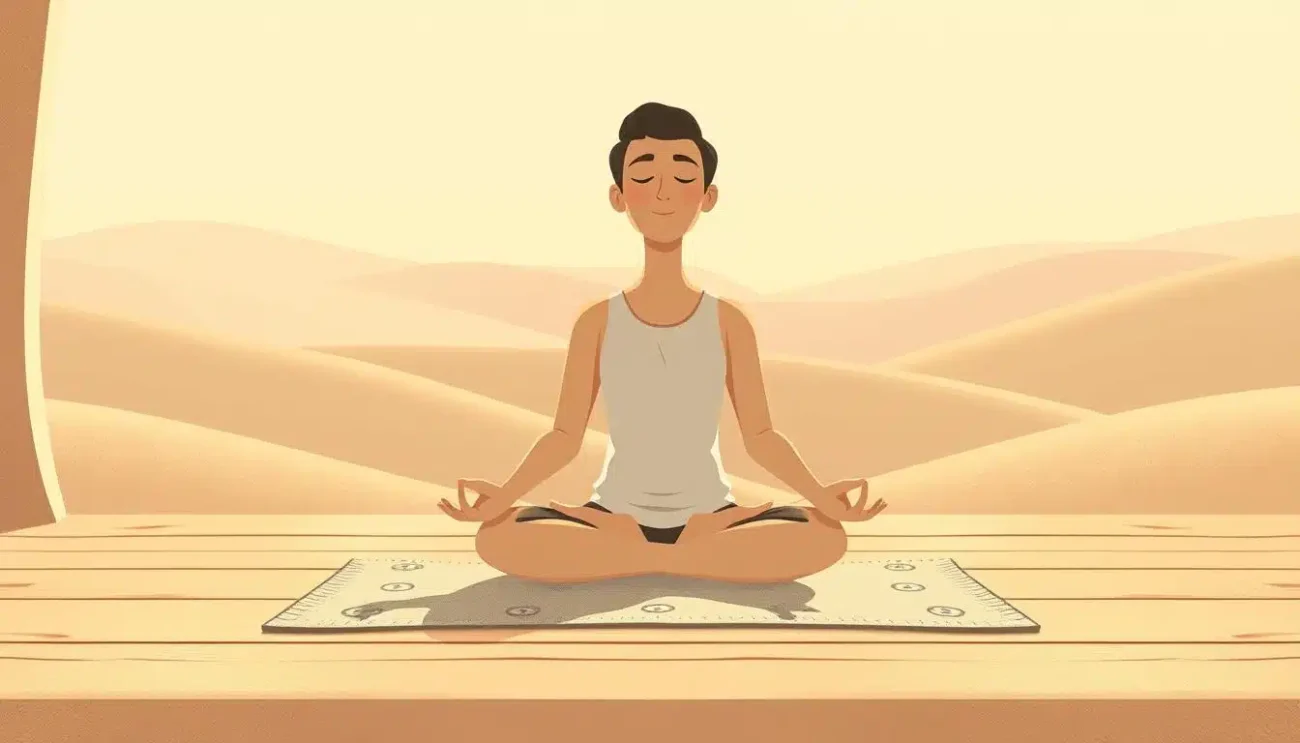
In today’s fast-paced world, achieving a calm and peaceful mind can seem like a daunting task. With constant stimuli from technology and the demands of daily life, stress and anxiety are more prevalent than ever. However, yoga offers a path to tranquility and mental clarity, providing a holistic approach to achieving a calm mind. This article explores various yoga practices that can help you attain mental peace and serenity.
The Connection Between Yoga and Mental Calmness
Yoga is an ancient practice that encompasses physical, mental, and spiritual disciplines. Its ultimate aim is to unite the mind, body, and spirit, fostering a sense of inner peace and harmony. While many people associate yoga with physical postures, the practice also includes meditation, breathing exercises, and ethical guidelines that contribute significantly to mental calmness.
Understanding Stress and Anxiety
Before delving into specific yoga practices, it’s essential to understand the nature of stress and anxiety. Stress is the body’s response to perceived challenges or threats, while anxiety is the feeling of worry or fear that may accompany stress. Both conditions can negatively impact mental health, leading to issues such as insomnia, depression, and physical ailments.
Yoga Practices for a Calm Mind
By incorporating yoga into your daily routine, you can effectively manage stress and anxiety, leading to a calmer and more centered mind. Here are some key yoga practices that can help achieve mental tranquility:
Asanas (Physical Postures)
Asanas, or physical postures, are the most well-known aspect of yoga. They help improve flexibility, strength, and balance while also promoting relaxation. Certain asanas are particularly effective for calming the mind:
- Child’s Pose (Balasana): This gentle pose helps release tension in the back, shoulders, and neck, promoting relaxation and mental ease.
- Corpse Pose (Savasana): Practiced at the end of a yoga session, Savasana allows the body and mind to integrate the benefits of the practice, fostering deep relaxation.
- Forward Bend (Uttanasana): This pose calms the brain and helps relieve stress, anxiety, and mild depression by increasing blood flow to the head.
Pranayama (Breathing Techniques)
Pranayama, or breath control, is a vital component of yoga that directly impacts the mind. By regulating the breath, you can influence your mental state and promote calmness:
- Alternate Nostril Breathing (Nadi Shodhana): This technique balances the left and right hemispheres of the brain, promoting mental clarity and calmness.
- Deep Belly Breathing: By focusing on slow, deep breaths, you activate the parasympathetic nervous system, reducing stress and inducing relaxation.
- Cooling Breath (Sheetali Pranayama): This technique cools the body and calms the mind, making it particularly beneficial during hot weather or stressful situations.
Meditation
Meditation is a core aspect of yoga that involves focusing the mind to achieve a state of heightened awareness and inner peace. Regular meditation practice can significantly reduce stress and promote a calm mind:
- Mindfulness Meditation: This practice involves focusing on the present moment, observing thoughts and sensations without judgment, and cultivating a sense of acceptance and calmness.
- Loving-Kindness Meditation: By generating feelings of compassion and love towards oneself and others, this practice reduces negative emotions and promotes a peaceful state of mind.
- Guided Visualization: This technique involves visualizing calming scenes or scenarios, helping to reduce anxiety and promote relaxation.
Yogic Philosophy and Ethics
Yoga is not just about physical and mental practices; it also encompasses ethical guidelines that can foster mental tranquility. The Yamas and Niyamas, outlined in the Yoga Sutras of Patanjali, provide a moral framework for living a balanced and harmonious life:
- Ahimsa (Non-Violence): Practicing non-violence in thoughts and actions towards oneself and others cultivates a peaceful mind.
- Santosha (Contentment): Cultivating contentment and gratitude for what you have can reduce stress and promote mental peace.
- Svadhyaya (Self-Study): Reflecting on one’s thoughts and behaviors can lead to greater self-awareness and inner calm.
Integrating Yoga into Daily Life
To achieve a calm mind through yoga, it’s essential to integrate these practices into your daily routine. Here are some tips for incorporating yoga into your life:
Create a Dedicated Practice Space
Establish a serene and comfortable space in your home where you can practice yoga without distractions. This dedicated area will serve as a sanctuary for relaxation and mental clarity.
Set a Regular Practice Schedule
Consistency is key when it comes to yoga. Set aside dedicated time each day for your practice, even if it’s just a few minutes. A regular schedule will help you develop a habit and reap the benefits of a calm mind.
Start with Short Sessions
If you’re new to yoga, start with short sessions and gradually increase the duration as you become more comfortable with the practice. Even a brief session can provide significant mental benefits.
Listen to Your Body
Yoga is a personal journey, and it’s essential to listen to your body and practice at your own pace. Avoid pushing yourself too hard, and remember that the goal is to achieve mental peace, not perfection.
Combine Yoga with Other Relaxation Techniques
Yoga can be complemented by other relaxation techniques such as aromatherapy, soothing music, or spending time in nature. Find what works best for you and create a holistic approach to achieving a calm mind.
Conclusion
Achieving a calm mind through yoga is a journey that requires dedication and practice. By incorporating physical postures, breathing techniques, meditation, and ethical principles into your daily life, you can effectively manage stress and anxiety, leading to greater mental peace and clarity. Whether you’re a seasoned practitioner or new to yoga, these practices offer a path to tranquility and a balanced mind in today’s hectic world. Embrace yoga as a tool for mental wellness and embark on a journey towards a calmer, more fulfilling life.
