
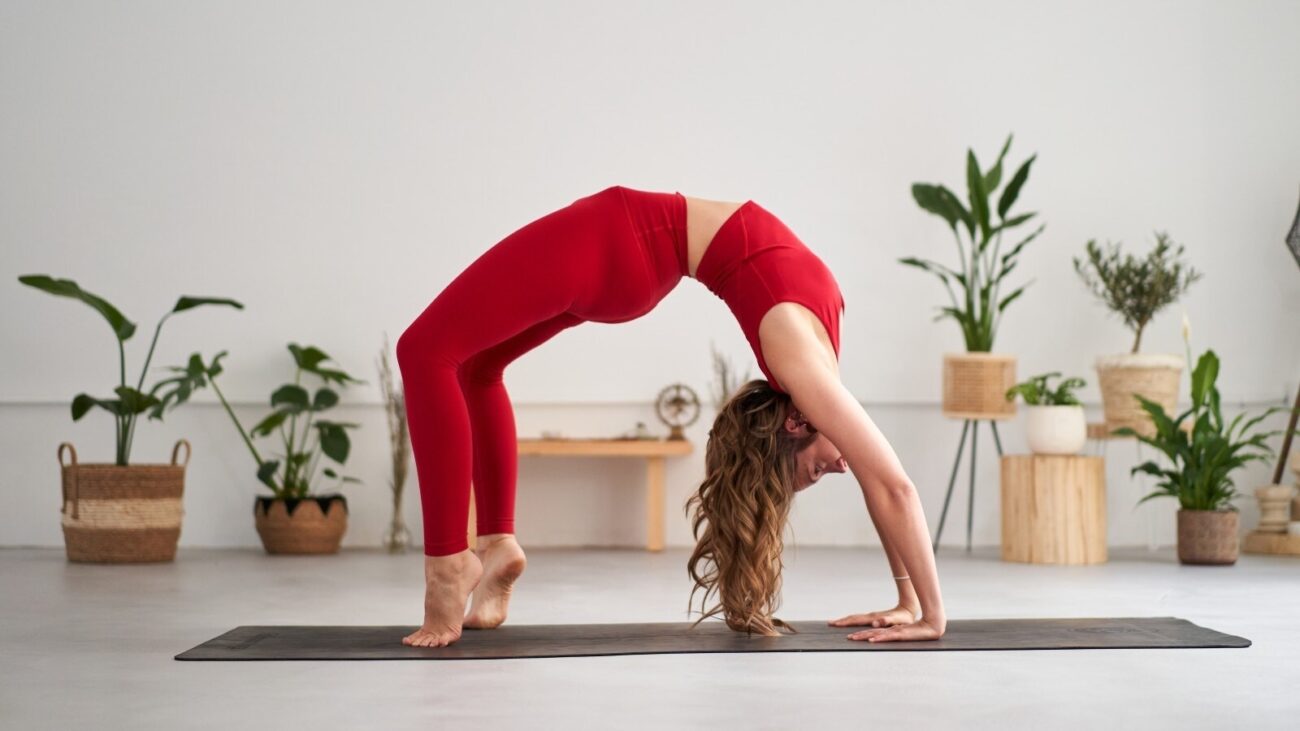
Embarking on a yoga journey can be both exciting and daunting, especially for beginners. Yoga is not merely a physical practice but a holistic approach to harmonizing the body, mind, and spirit. It offers numerous benefits such as improved flexibility, strength, mental clarity, and emotional balance. This article will guide you through an effortless yoga flow, designed specifically for beginners, to help you start your journey with ease and confidence.
Understanding Yoga Flow
Yoga flow, often referred to as Vinyasa, is a style of yoga where poses are linked together in a sequence, synchronized with breath. It creates a smooth, continuous movement that feels like a dance. This dynamic form of yoga promotes cardiovascular health, enhances concentration, and fosters a meditative state of mind.
Benefits of a Yoga Flow for Beginners
- Improves flexibility and range of motion.
- Builds strength and endurance.
- Enhances respiratory function through mindful breathing.
- Reduces stress and promotes relaxation.
- Encourages mindfulness and presence.
Preparing for Your Yoga Practice
Before diving into your yoga flow, it’s essential to prepare your body and mind. Here are some tips to set you up for success:
Find a Comfortable Space
Choose a quiet, comfortable space where you can practice without distractions. Ensure you have enough room to move freely and that the environment is conducive to relaxation.
Gather Your Gear
Invest in a good quality yoga mat that provides adequate cushioning and grip. Wear comfortable clothing that allows for unrestricted movement. While props like blocks and straps are optional, they can be beneficial for beginners to achieve proper alignment.
Set Your Intention
Setting an intention before your practice can help you stay focused and motivated. It could be as simple as dedicating your practice to cultivating patience or gratitude.
The Effortless Yoga Flow Sequence
This beginner-friendly yoga flow sequence is designed to ease you into the practice. Remember to move at your own pace and listen to your body.
1. Mountain Pose (Tadasana)
Begin in a standing position with your feet hip-width apart. Distribute your weight evenly across both feet. Engage your thighs, lift your chest, and relax your shoulders. Breathe deeply, finding your center.
2. Forward Fold (Uttanasana)
Exhale and hinge at your hips, folding forward. Keep your knees slightly bent if needed. Let your head hang heavy and relax your neck. Feel the stretch in your hamstrings and lower back.
3. Halfway Lift (Ardha Uttanasana)
Inhale, place your hands on your shins, and lift your torso halfway up. Keep your back flat and gaze forward. This pose helps lengthen the spine and prepare for deeper forward folds.
4. Plank Pose
Step back into Plank Pose, aligning your shoulders over your wrists. Engage your core and keep your body in a straight line from head to heels. This pose builds strength in the arms, shoulders, and core.
5. Downward Facing Dog (Adho Mukha Svanasana)
Exhale, lift your hips up and back into Downward Facing Dog. Spread your fingers wide, press into your palms, and pedal your feet to stretch your calves. This pose rejuvenates the entire body and calms the mind.
6. Low Lunge (Anjaneyasana)
Step your right foot forward between your hands. Lower your left knee to the mat and inhale, lifting your arms overhead. This pose opens the hips and chest, while also improving balance.
7. Warrior II (Virabhadrasana II)
From Low Lunge, rise up into Warrior II by extending your arms parallel to the floor. Turn your back foot perpendicular to the front and bend your front knee over your ankle. Gaze over your front hand. Warrior II strengthens the legs and opens the hips.
8. Tree Pose (Vrksasana)
Transition to standing and find your balance in Tree Pose. Place your right foot on your left inner thigh or calf (avoid the knee). Bring your palms together at your heart center. This pose enhances balance and concentration.
9. Seated Forward Bend (Paschimottanasana)
Sit down with your legs extended. Inhale, lengthen your spine, and exhale as you fold forward over your legs. Hold onto your feet or shins, keeping your back straight. This pose stretches the hamstrings and lower back.
10. Corpse Pose (Savasana)
End your practice by lying flat on your back in Corpse Pose. Close your eyes, relax your entire body, and focus on your breath. Savasana allows your body to absorb the benefits of the practice and promotes deep relaxation.
Tips for a Successful Yoga Practice
Starting a yoga practice can be a transformative experience. Here are some tips to help you make the most of your journey:
Practice Regularly
Consistency is key. Aim to practice yoga a few times a week to build strength, flexibility, and familiarity with the poses.
Listen to Your Body
Yoga is a personal practice. Honor your body’s limitations and modify poses as needed. It’s important to avoid pushing yourself into pain.
Focus on Breath
Breath is an integral part of yoga. Pay attention to your breath throughout your practice, using it to guide your movements and maintain focus.
Be Patient
Progress in yoga takes time. Be patient with yourself and embrace the journey rather than focusing solely on the destination.
Conclusion
Yoga is a beautiful practice that offers countless benefits for both beginners and seasoned practitioners. By embracing an effortless yoga flow, you can begin your journey with confidence and ease. Remember, yoga is not about perfection but about connection and self-discovery. Enjoy the process, and allow yoga to enrich your life in ways you never imagined.
