
Embarking on a yoga journey can be a transformative experience that enhances your physical, mental, and emotional well-being. Whether you are seeking flexibility, strength, or inner peace, yoga offers a holistic approach to achieving your goals. However, for beginners, stepping onto the yoga mat for the first time can be both exciting and overwhelming. In this article, we will explore essential tips to help you master the fundamentals of yoga and cultivate a sustainable and fulfilling practice.
Understanding Yoga: More Than Just Exercise
Before delving into the physical aspects, it’s crucial to understand that yoga is more than just exercise. It is an ancient practice that integrates the mind, body, and spirit. Originating in India over 5,000 years ago, yoga encompasses a wide array of styles and philosophies, each offering unique benefits.
At its core, yoga is about finding balance and harmony. It encourages mindfulness, self-awareness, and a deeper connection with oneself. As a beginner, keeping an open mind and being receptive to the holistic nature of yoga can enrich your practice exponentially.
Choosing the Right Yoga Style
With numerous yoga styles available, choosing the right one can be daunting. Here are some popular styles that are beginner-friendly:
- Hatha Yoga: Known for its gentle and slow-paced nature, Hatha Yoga focuses on basic poses and breathing techniques. It is an excellent starting point for beginners to learn fundamental postures.
- Vinyasa Yoga: If you prefer a more dynamic practice, Vinyasa Yoga might be for you. It involves flowing from one pose to another, synchronized with breath, creating a fluid and energetic practice.
- Yin Yoga: This style focuses on deep stretching and holding poses for longer durations. It targets the connective tissues and is perfect for improving flexibility and relaxation.
- Restorative Yoga: Emphasizing relaxation and stress relief, Restorative Yoga uses props to support the body in restful poses, making it ideal for anyone seeking deep relaxation.
Setting Up Your Practice Space
Creating a dedicated space for your yoga practice can significantly enhance your experience. Here are some tips to set up an inviting and peaceful practice area:
- Choose a Quiet Space: Find a quiet corner in your home where you won’t be disturbed. A tranquil environment aids in concentration and mindfulness.
- Invest in a Quality Yoga Mat: A good yoga mat provides comfort and stability. Look for a mat with good grip to prevent slipping during poses.
- Keep it Clutter-Free: Minimize distractions by keeping your practice space tidy. Clear the area of unnecessary items to maintain focus.
- Enhance Ambiance: Consider adding soft lighting, calming scents, or gentle music to create a serene atmosphere.
Mastering Basic Yoga Poses
Familiarizing yourself with basic yoga poses is fundamental for building a strong foundation. Here are some essential poses for beginners:
Mountain Pose (Tadasana)
This foundational pose promotes proper alignment and posture. Stand tall with feet together, arms at your sides, and engage your core. Focus on grounding your feet and lengthening your spine.
Downward-Facing Dog (Adho Mukha Svanasana)
As a classic yoga pose, Downward-Facing Dog stretches the entire body. Start on your hands and knees, then lift your hips upward, forming an inverted V-shape. Keep your hands shoulder-width apart and your feet hip-width apart.
Warrior I (Virabhadrasana I)
Warrior I builds strength and stability. From standing, step one foot back, bending the front knee. Raise your arms overhead, keeping your hips facing forward. Engage your core and hold the pose.
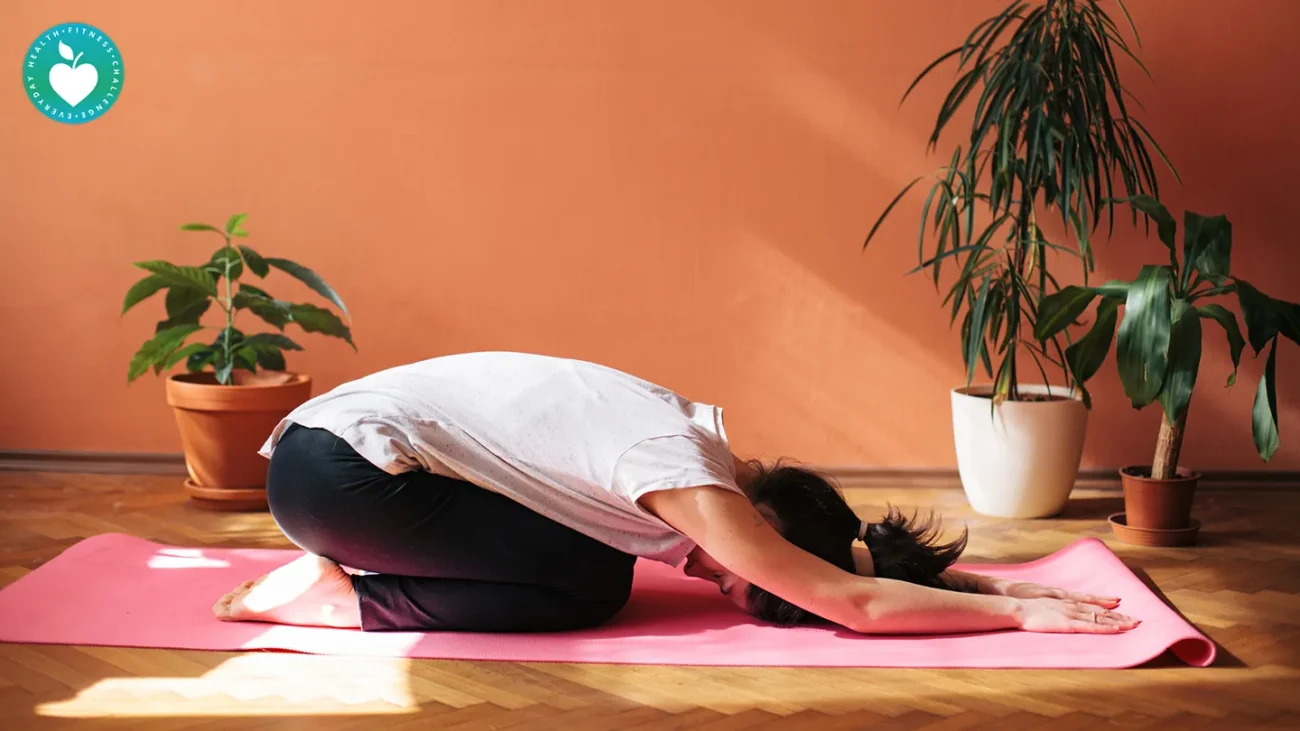
Child’s Pose (Balasana)
This resting pose is perfect for relaxation and stretching the back. Kneel on the mat, sit back on your heels, and extend your arms forward, resting your forehead on the floor.
Tree Pose (Vrksasana)
Tree Pose enhances balance and concentration. Stand on one leg, placing the sole of the opposite foot on the inner thigh or calf. Bring your hands to your heart or raise them overhead for a greater challenge.
Focus on Breath and Mindfulness
Breath is an integral part of yoga, serving as a bridge between the mind and body. Practicing mindful breathing helps maintain focus and calmness during your practice. Here are some breathing techniques to incorporate:
- Ujjayi Breath: Also known as the “ocean breath,” this technique involves inhaling and exhaling through the nose while constricting the throat slightly. It creates a soothing sound, promoting concentration.
- Diaphragmatic Breathing: Focus on deep belly breathing, allowing the diaphragm to expand fully. This technique enhances relaxation and oxygen intake.
- Alternate Nostril Breathing: A calming practice, alternate nostril breathing balances energy and reduces stress. Use your thumb and ring finger to gently close one nostril at a time while breathing through the other.
Listening to Your Body
Yoga is a personal journey, and every body is unique. It’s essential to listen to your body and practice self-compassion. Avoid pushing yourself into poses that cause pain or discomfort. Yoga is not about achieving perfection but embracing where you are in your practice.
As a beginner, it’s normal to encounter challenges and limitations. Be patient with yourself and celebrate small progress. Remember, consistency and dedication are key to mastering yoga fundamentals.
Seeking Guidance from a Qualified Instructor
While online resources and videos are valuable, attending classes led by a qualified yoga instructor can provide personalized guidance and corrections. An instructor can help you refine your alignment, prevent injuries, and deepen your understanding of yoga principles.
Don’t hesitate to ask questions and seek modifications tailored to your needs. A supportive instructor can inspire confidence and motivate you to explore your practice further.
Creating a Consistent Practice
Consistency is the cornerstone of progress in yoga. Establishing a regular practice routine fosters discipline and allows you to experience the full benefits of yoga. Here are some tips to help you create a consistent practice:
- Set Realistic Goals: Start with achievable goals, such as practicing yoga for 20-30 minutes a few times a week. Gradually increase the duration and frequency as you become more comfortable.
- Find Your Optimal Time: Identify a time of day when you feel most energized and focused. For some, early morning practice sets a positive tone for the day, while others may prefer evening sessions to unwind.
- Stay Committed: Treat your yoga practice as a non-negotiable part of your routine. Consistency builds discipline and helps you stay motivated.
- Celebrate Progress: Acknowledge your achievements, no matter how small. Celebrating progress boosts confidence and encourages you to keep going.
Embracing the Journey
Yoga is a lifelong journey of self-discovery and growth. As you master the fundamentals, remember that there is always more to explore and learn. Embrace the process, and let go of expectations and judgments. Every practice is an opportunity to connect with yourself and cultivate inner peace.
In conclusion, mastering yoga fundamentals as a beginner requires patience, dedication, and a willingness to embrace the holistic nature of the practice. By choosing the right style, creating a conducive environment, focusing on breath and mindfulness, and seeking guidance from experienced instructors, you can embark on a fulfilling and transformative yoga journey. Remember, the most important aspect of yoga is the journey itself, so enjoy every step along the way.
#ChatGPT assisted in the creation of this article.
