
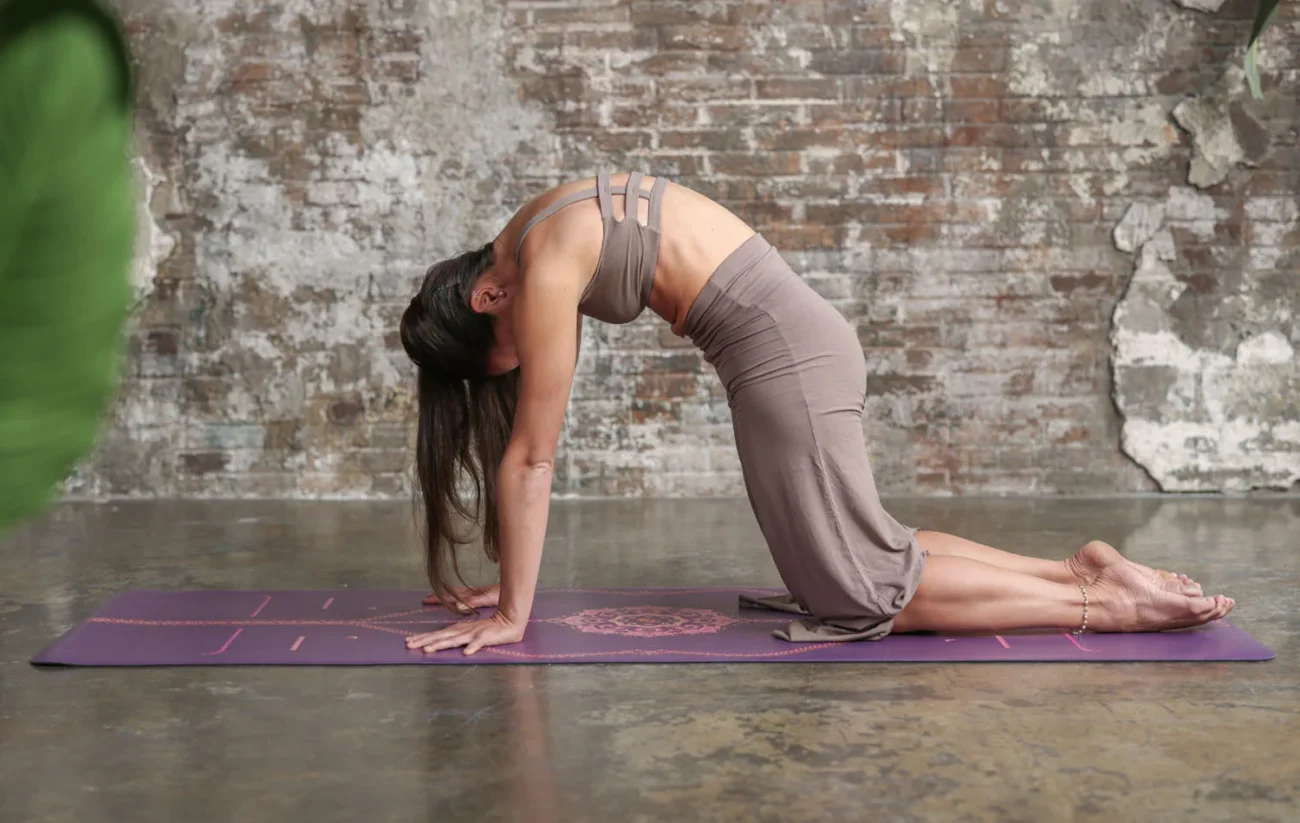
Yoga, an ancient practice that harmonizes the mind, body, and spirit, has become a vital part of modern wellness routines. While yoga offers numerous benefits, achieving these advantages requires a nuanced understanding of pose alignment. Proper alignment not only ensures safety but also enhances the effectiveness of your practice. In this article, we delve into the art of mastering yoga pose alignment to optimize your practice, prevent injuries, and deepen your connection to the practice.
The Importance of Alignment in Yoga
Alignment in yoga refers to the precise way in which the body is positioned in each pose. It is the foundation that supports every movement and transition. Correct alignment is crucial for several reasons:
- Prevention of Injury: Proper alignment reduces the risk of injury by evenly distributing the weight and pressure across the body.
- Maximized Benefits: Each yoga pose is designed to target specific muscles and energy centers. Correct alignment ensures that these areas are effectively engaged.
- Enhanced Focus: Aligning the body requires mindfulness, which cultivates a deeper focus and connection during practice.
Understanding the Basics of Alignment
Mastering alignment begins with understanding the anatomical and energetic principles that underpin each pose. Here are some foundational concepts:
Spinal Alignment
The spine is the central axis of the body and plays a critical role in alignment. Maintaining a neutral spine in poses ensures that energy flows freely through the body. Focus on elongating the spine, avoiding excessive arching or rounding.
Joint Stacking
Proper alignment often involves “stacking” joints to create stability and balance. For instance, in Mountain Pose (Tadasana), align the shoulders over the hips and the hips over the ankles. This alignment fosters a stable and grounded foundation.
Engagement of Muscle Groups
Engaging the appropriate muscle groups in each pose not only supports alignment but also enhances strength and flexibility. For example, in Warrior II (Virabhadrasana II), activating the quadriceps and core helps maintain the pose’s integrity.
Common Alignment Pitfalls and How to Correct Them
Even experienced practitioners may encounter alignment challenges. Here are some common pitfalls and tips to correct them:
Misalignment in Downward-Facing Dog (Adho Mukha Svanasana)
Common Issues: Rounded back, collapsed shoulders, and uneven weight distribution.
Corrections: Press into the palms and lift the sitting bones towards the sky. Engage the core and push the chest towards the thighs. Distribute weight evenly between hands and feet.
Misalignment in Warrior I (Virabhadrasana I)
Common Issues: Front knee collapsing inward, back heel lifted, and shoulders tense.
Corrections: Align the front knee over the ankle and press the outer edge of the back foot into the mat. Relax the shoulders away from the ears and engage the core for stability.
Misalignment in Plank Pose (Phalakasana)
Common Issues: Sagging hips, rounded shoulders, and neck strain.
Corrections: Align the body in a straight line from head to heels. Engage the core and thighs, and keep the shoulders directly over the wrists.
Tools and Techniques to Enhance Alignment
Several tools and techniques can aid in mastering alignment. These resources provide support, guidance, and feedback to refine your practice:
Yoga Props
Props such as blocks, straps, and bolsters can be invaluable in achieving proper alignment. For instance, using a block in Triangle Pose (Trikonasana) can help maintain spinal alignment and avoid overreaching.
Wall Support
Practicing poses against a wall offers support and feedback. For example, practicing Half Moon Pose (Ardha Chandrasana) with the back against a wall helps align the hips and shoulders.
Mindful Breathing
The breath is a powerful tool for alignment. Deep, conscious breathing helps relax muscles and release tension, facilitating better alignment. It also fosters a meditative focus that enhances body awareness.
Use of Mirrors
Mirrors provide visual feedback that can help correct misalignments. While practicing, occasionally checking your form in a mirror can enhance your understanding of proper alignment.
The Role of a Skilled Yoga Instructor
A knowledgeable yoga instructor is invaluable for mastering alignment. They offer personalized guidance, adjustments, and insights that deepen your practice. Here’s how an instructor can enhance your alignment:
Personalized Adjustments
Instructors provide hands-on adjustments that help you understand the nuances of alignment. These adjustments ensure you are engaging the correct muscles and maintaining balance.
Feedback and Observation
Instructors observe your practice and offer feedback to correct misalignments. Their trained eye can identify subtle issues that may go unnoticed to the untrained practitioner.
Guidance on Modifications
Every body is unique, and instructors offer modifications to accommodate individual needs. These modifications ensure that you practice safely while still reaping the benefits of each pose.
Developing a Personal Alignment Practice
Mastering alignment is an ongoing journey that requires dedication and practice. Here are steps to develop a personal alignment practice:
Set Clear Intentions
Begin each practice with a clear intention to focus on alignment. This mindset helps you remain mindful and committed to correct form throughout your session.
Regular Self-Assessment
Periodically assess your alignment in various poses. Use props, mirrors, or video recordings to gain insight into your form and make necessary adjustments.
Incorporate Alignment-Focused Sessions
Dedicate specific sessions to exploring and refining alignment. These focused practices allow for deeper exploration and understanding of each pose.
Embrace Patience and Consistency
Alignment mastery is a gradual process. Embrace patience and consistency, and celebrate small improvements along the way. Remember that progress is personal and varies for each practitioner.
Conclusion
Mastering yoga pose alignment is a transformative journey that enhances the safety, effectiveness, and enjoyment of your practice. By understanding the principles of alignment, correcting common pitfalls, utilizing tools and techniques, and seeking guidance from skilled instructors, you can cultivate a practice that supports your physical and mental well-being. Embrace the art of alignment as a path to deeper self-awareness, improved physical health, and a more profound connection to the essence of yoga. As you refine your practice, remember that alignment is not just a physical goal but a holistic approach that integrates mind, body, and spirit.
