
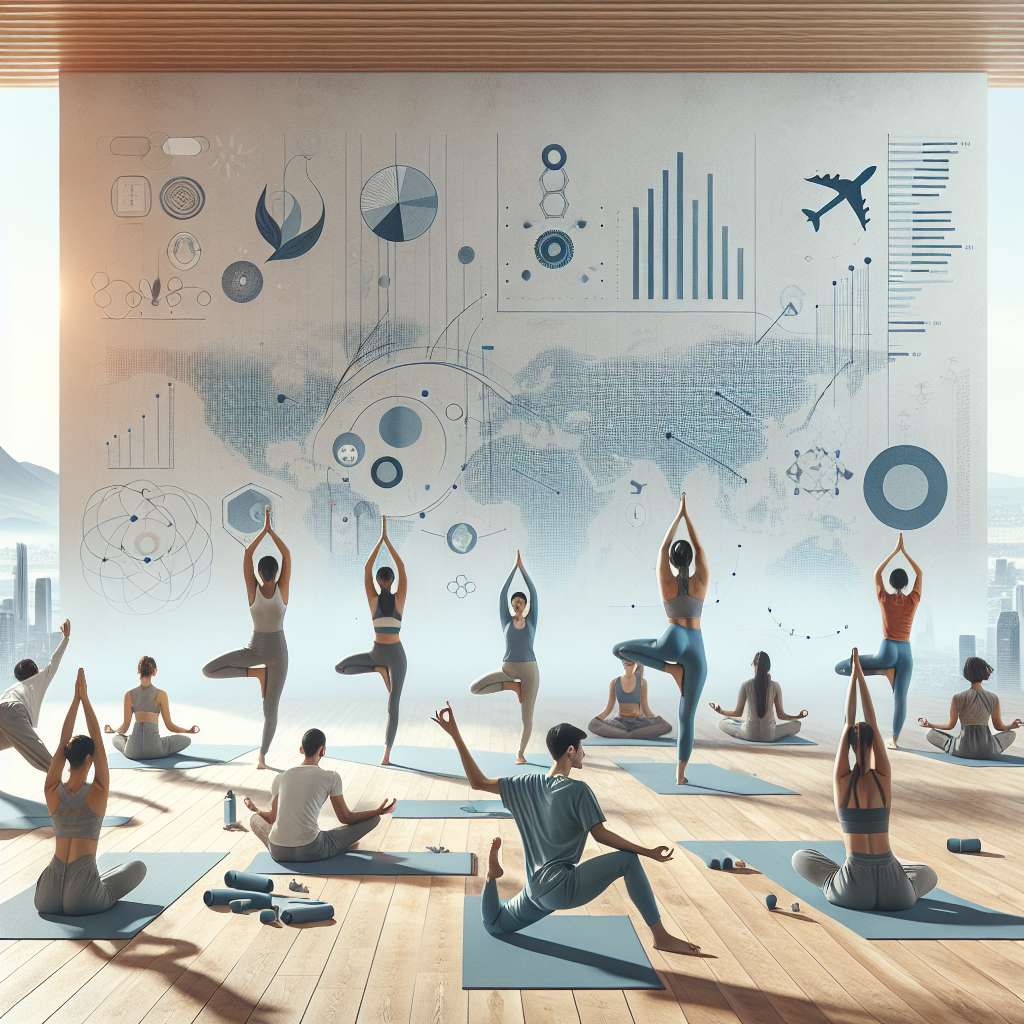
Yoga is an ancient practice that offers a myriad of benefits, from increased flexibility and strength to improved mental clarity and relaxation. However, not every yoga pose is accessible to everyone at every stage of their yoga journey. This is where pose modifications come into play. By adjusting poses to suit individual needs and capabilities, practitioners can safely and effectively progress in their practice. This article explores various yoga pose modifications for practitioners of all levels, empowering you to master your yoga practice, regardless of your current skill level.
Understanding Yoga Pose Modifications
Yoga pose modifications are adjustments made to a pose to accommodate the varying needs of practitioners. These modifications can be made to increase or decrease the intensity of a pose, ensure proper alignment, or make a pose more accessible. By understanding and using modifications, yogis can personalize their practice, avoiding injury and ensuring they gain the full benefits of each pose.
Benefits of Yoga Pose Modifications
Modifications are essential tools in a yogi’s toolkit, offering numerous benefits:
- Accessibility: Modifications make yoga poses accessible to individuals of all ages, body types, and fitness levels.
- Prevention of Injury: By adapting poses to fit your body’s capabilities, you minimize the risk of strain or injury.
- Enhanced Alignment: Modifications can help maintain proper alignment, which is crucial for reaping the full benefits of each pose.
- Increased Confidence: Knowing how to modify poses can boost confidence, encouraging you to explore and enjoy your practice.
Modifications for Beginners
Downward-Facing Dog (Adho Mukha Svanasana)
Downward-Facing Dog is a foundational pose that can be challenging for beginners due to tight hamstrings or shoulders.
Modification: Bend your knees to take the pressure off your hamstrings and focus on lengthening your spine. You can also place your hands on a block or the seat of a chair to reduce the intensity on your shoulders.
Warrior I (Virabhadrasana I)
Warrior I requires balance and flexibility, which may be difficult for newcomers.
Modification: Shorten your stance and widen your feet to increase stability. Placing your hands on your hips instead of reaching overhead can help you maintain balance.
Modifications for Intermediate Practitioners
Triangle Pose (Trikonasana)
Triangle Pose is excellent for building strength and flexibility, but alignment is key.
Modification: Use a block under your bottom hand to ensure proper alignment and prevent straining your back or neck.
Half Moon Pose (Ardha Chandrasana)
This pose challenges balance and core strength.
Modification: Use a block under your supporting hand to improve balance and stability. You can also practice against a wall for additional support.
Modifications for Advanced Practitioners
Handstand (Adho Mukha Vrksasana)
Handstands require strength, balance, and confidence.
Modification: Practice against a wall to build strength and confidence. You can also use a partner for spotting until you feel comfortable with the pose independently.
King Pigeon Pose (Kapotasana)
This deep backbend requires flexibility and control.
Modification: Use a strap around your foot to assist with the backbend. Practicing with one leg at a time can help you gradually build the necessary flexibility and control.
Props for Yoga Modifications
Props can be incredibly helpful in modifying poses. Here are some commonly used props and how they can assist in your practice:
- Blocks: Ideal for bringing the floor closer in standing poses or providing support in seated poses.
- Straps: Useful for extending your reach in poses like Seated Forward Bend (Paschimottanasana) or Cow Face Pose (Gomukhasana).
- Blankets: Can be folded for support in seated postures or placed under the knees for padding.
- Bolsters: Provide support and comfort in restorative poses or during meditation.
Listening to Your Body
One of the most important aspects of incorporating modifications into your practice is learning to listen to your body. Yoga is a personal journey, and everyone’s body is different. What works for one person may not work for another. Pay attention to how your body feels in each pose and make adjustments as needed. If something doesn’t feel right or causes pain, back off and try a different approach.
Conclusion
Mastering yoga pose modifications is a vital part of a sustainable and effective yoga practice. By understanding how to modify poses to suit your individual needs and capabilities, you can ensure a safe, enjoyable, and rewarding yoga experience. Remember, yoga is not about achieving the perfect pose but about connecting with your body and mind. Embrace modifications as a means to deepen this connection and enhance your journey on and off the mat.
