
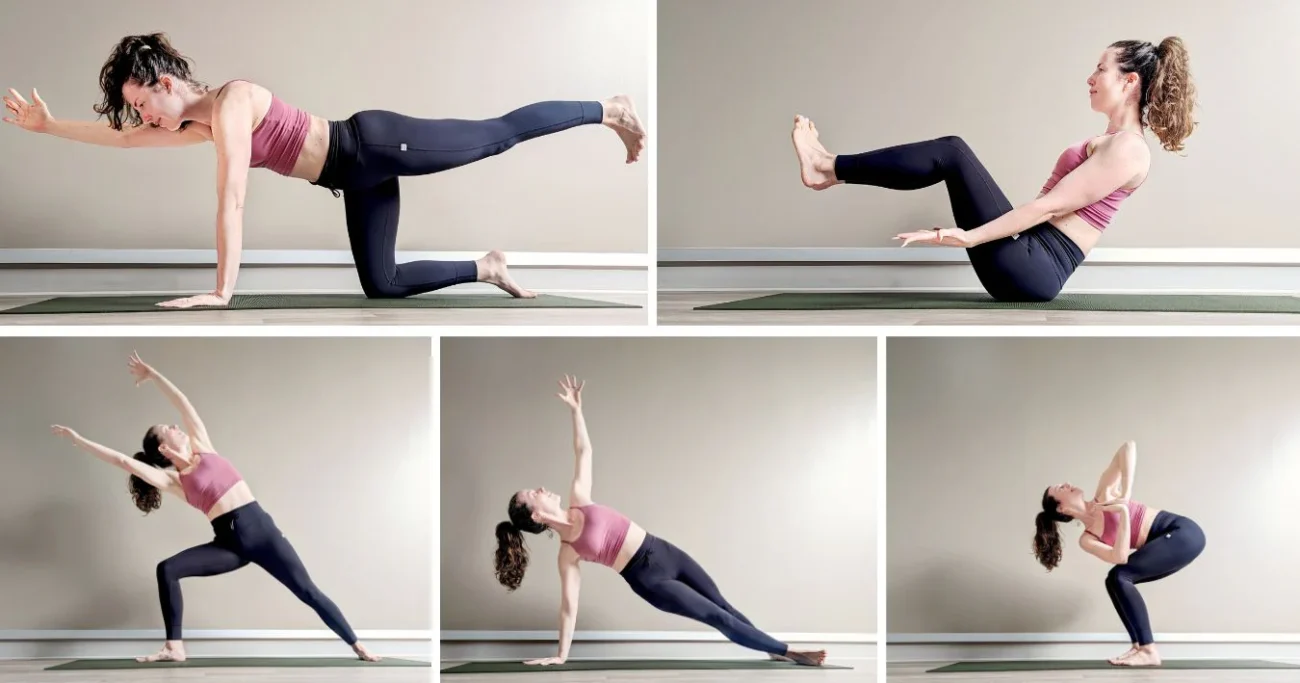
Yoga is a transformative practice that enhances both physical and mental well-being. To truly reap the benefits of yoga, understanding and mastering key poses, known as asanas, is essential. This guide is designed to help you navigate the world of yoga postures, providing insights into foundational poses and their significance in a comprehensive yoga practice.
Understanding Yoga and its Benefits
Yoga is not just a physical exercise; it is a holistic practice that integrates mind, body, and spirit. Originating in ancient India, yoga combines breathing techniques, meditation, and physical postures to promote overall health and well-being. Regular practice can lead to improved flexibility, strength, balance, and mental clarity.
The Importance of Mastering Yoga Poses
Mastering yoga poses is crucial for several reasons. First, it ensures you are performing each asana correctly, minimizing the risk of injury. Proper alignment and technique help maximize the physical benefits of each pose. Moreover, mastering poses enhances your ability to focus and meditate, deepening the mental and spiritual aspects of your practice.
Foundational Poses to Start With
Mountain Pose (Tadasana)
The Mountain Pose is the foundation for all standing poses. It teaches proper alignment and balance, which are crucial for more complex asanas. In this pose, stand with your feet together, arms at your sides, and weight evenly distributed between both feet. Engage your thighs, draw your belly in, and lift your chest. Imagine a line of energy running through your body from the crown of your head to your heels.
Downward Facing Dog (Adho Mukha Svanasana)
One of the most recognized yoga poses, Downward Facing Dog is a full-body stretch that targets the hamstrings, shoulders, and calves while strengthening the arms and legs. Begin on your hands and knees, then lift your hips up and back, forming an inverted V-shape with your body. Keep your hands shoulder-width apart and feet hip-width apart, pressing your heels towards the floor.
Intermediate Poses to Enhance Your Practice
Warrior I (Virabhadrasana I)
This powerful pose builds strength and stamina. From a standing position, step one foot back, keeping the front knee bent over the ankle. Raise your arms overhead, palms facing each other, and gaze forward. Warrior I opens the chest and stretches the legs, improving balance and focus.
Triangle Pose (Trikonasana)
The Triangle Pose is excellent for stretching the sides of the body and improving balance. Stand with your feet wide apart, turn your right foot out, and extend your arms parallel to the floor. Reach forward with your right hand, then lower it to your shin or the floor, opening your chest towards the ceiling and extending your left arm straight up.
Advanced Poses for a Deeper Challenge
Headstand (Sirsasana)
Known as the “king of asanas,” the Headstand requires strength, balance, and concentration. It is an inversion that improves circulation, strengthens the core, and calms the mind. To perform a headstand, start in a kneeling position, interlock your fingers, and place your forearms on the ground. Rest the crown of your head on the floor between your hands, walk your feet towards your head, and lift your legs overhead.
Wheel Pose (Urdhva Dhanurasana)
The Wheel Pose is a backbend that opens the chest, strengthens the arms and legs, and increases spinal flexibility. Lie on your back, bend your knees, and place your feet flat on the ground. Position your hands by your ears with fingers pointing towards your shoulders. Press into your hands and feet to lift your body off the ground, forming an arch.
Tips for Mastering Yoga Poses
Mastering yoga poses requires patience, persistence, and attention to detail. Here are some tips to help you on your journey:
- Focus on Alignment: Proper alignment is key to avoiding injury and maximizing the benefits of each pose. Use mirrors or seek feedback from a qualified instructor to correct your form.
- Listen to Your Body: Yoga is about tuning in to your body’s signals. If a pose feels uncomfortable or painful, ease off and try a modification.
- Practice Regularly: Consistent practice is essential for progress. Set aside time each day, even if it’s just a few minutes, to work on your poses.
- Breath Control: Breathing is a fundamental aspect of yoga. Focus on deep, controlled breaths to enhance relaxation and concentration during your practice.
- Use Props: Props like blocks, straps, and bolsters can provide support and help you achieve proper alignment in challenging poses.
Incorporating Yoga into Your Lifestyle
Integrating yoga into your daily routine can lead to profound changes in your physical and mental health. Consider creating a dedicated space for your practice at home, free from distractions. Experiment with different styles of yoga, such as Vinyasa, Hatha, or Yin, to discover what resonates with you.
Beyond the physical practice, embrace the philosophical teachings of yoga, such as mindfulness, gratitude, and compassion. These principles can enhance your life off the mat, fostering a sense of peace and balance.
Conclusion
Mastering yoga poses is a journey, not a destination. As you progress, you’ll find that yoga becomes more than just an exercise; it becomes a way of life. This ultimate posture guide is a stepping stone on your path to deeper self-awareness and holistic well-being. Remember, the true essence of yoga lies not in perfection, but in the mindful journey of self-discovery and growth.
#ChatGPT assisted in the creation of this article.
