
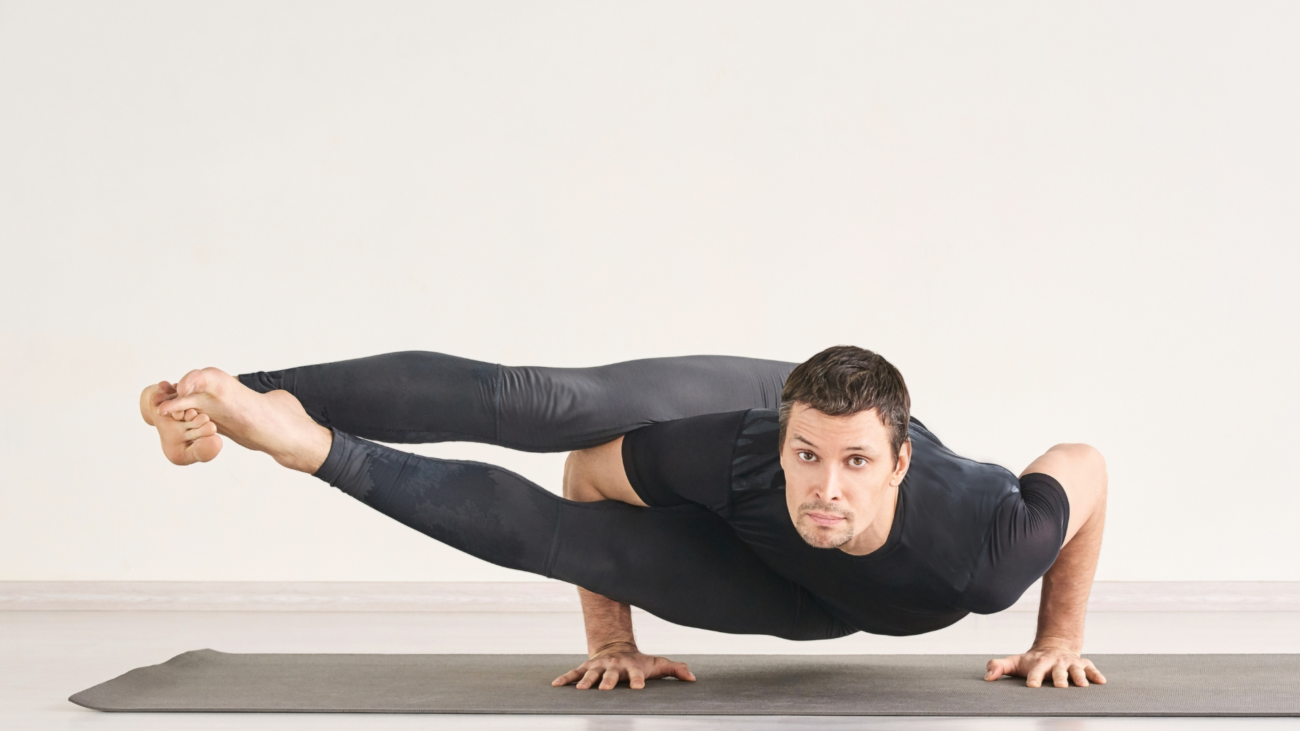
Yoga is a journey of self-discovery, flexibility, strength, and inner peace. For many, it starts with the physical practice of asanas, or poses, which serve as a gateway to deeper exploration. Mastering these poses requires dedication, mindfulness, and an understanding of the underlying techniques. This article will guide you through the top techniques for perfecting your yoga poses, helping you to advance your practice and experience the full benefits of yoga.
Understanding the Fundamentals
Before diving into specific techniques, it’s important to grasp the fundamentals of yoga poses. The key components include alignment, breath, and concentration. Proper alignment ensures that each pose is performed safely and effectively. Breath, or pranayama, connects mind and body, ensuring a smooth flow of energy. Concentration, or dharana, helps maintain focus and mindfulness during practice.
Alignment
Alignment is the cornerstone of all yoga poses. It refers to how the body is positioned and how different parts of the body relate to each other. Proper alignment ensures that the body is supported and balanced, reducing the risk of injury and increasing the effectiveness of the pose. To achieve correct alignment, focus on the following:
- Engage your core muscles to stabilize and support your spine.
- Distribute your weight evenly across your feet or hands.
- Stack your joints, such as shoulders over wrists or hips over knees.
Breath
Breath is the life force of yoga practice. Each pose should be linked with a specific breathing pattern to maximize energy flow. Controlled breathing helps deepen stretches, enhance concentration, and maintain a calm, focused state of mind. Practice these breathing techniques:
- Ujjayi breath: A gentle, audible breath that enhances focus and energy.
- Diaphragmatic breathing: Breathing deeply into the belly to promote relaxation.
- Alternate nostril breathing: Balancing breath through each nostril to center the mind.
Concentration
Concentration is essential for maintaining stability and mindfulness in each pose. It allows you to connect with your body, observe sensations, and refine your practice. Techniques to enhance concentration include:
- Drishti: A focused gaze or point of attention that helps maintain balance.
- Mantra: Repeating a word or phrase to deepen focus and intention.
- Visualization: Imagining the ideal form of a pose to guide your body into alignment.
Top Techniques for Perfect Poses
With a solid understanding of the fundamentals, you can now apply specific techniques to master various yoga poses. Here are some top techniques for a selection of popular poses:
Downward-Facing Dog (Adho Mukha Svanasana)
Downward-Facing Dog is a foundational pose that strengthens and stretches the entire body. To perfect this pose:
- Press firmly into your hands, spreading your fingers wide.
- Lift your hips high, creating a straight line from wrists to hips.
- Engage your quadriceps to support your legs and prevent hyperextension in the knees.
- Relax your neck and gaze towards your feet or knees.
Warrior II (Virabhadrasana II)
Warrior II is a powerful pose that builds strength and concentration. Techniques for mastering Warrior II include:
- Align your front heel with the arch of your back foot.
- Bend your front knee directly over your ankle, aiming for a 90-degree angle.
- Open your hips and shoulders to face the side, extending your arms parallel to the floor.
- Gaze over your front hand, maintaining a strong focus.
Tree Pose (Vrksasana)
Tree Pose enhances balance and stability, requiring focused attention. To perfect Tree Pose:
- Root your standing foot firmly into the ground, spreading your toes for stability.
- Place your opposite foot on your calf or inner thigh, avoiding the knee.
- Bring your hands to prayer position at your heart or extend them overhead.
- Engage your core and focus your gaze on a fixed point to maintain balance.
Cobra Pose (Bhujangasana)
Cobra Pose is an essential backbend that strengthens the spine and opens the chest. Techniques for mastering Cobra Pose include:
- Place your hands under your shoulders, elbows close to your body.
- Press the tops of your feet and thighs into the mat.
- Inhale to lift your chest, keeping your lower ribs on the ground.
- Roll your shoulders back and down, opening your chest.
Advanced Techniques for Experienced Practitioners
As you progress in your yoga journey, you may wish to explore advanced techniques that deepen your practice and enhance your understanding of complex poses. Here are some techniques for experienced practitioners:
Arm Balances
Arm balances, like Crow Pose (Bakasana) and Firefly Pose (Tittibhasana), require strength, balance, and concentration. Techniques for mastering arm balances include:
- Build core and arm strength with exercises like planks and push-ups.
- Engage your core to lift your body and maintain balance.
- Practice shifting your weight onto your hands gradually.
- Focus on a drishti point to maintain stability.
Inversions
Inversions, such as Headstand (Sirsasana) and Shoulder Stand (Sarvangasana), improve circulation and concentration. Techniques for mastering inversions include:
- Start with a strong foundation and alignment in less challenging poses.
- Use props like a wall or blocks for support.
- Engage your core and maintain a stable base with your arms or shoulders.
- Practice controlled breathing to remain calm and focused.
Conclusion
Mastering yoga poses is a lifelong journey that requires patience, dedication, and mindfulness. By understanding the fundamentals of alignment, breath, and concentration, and by applying specific techniques, you can perfect your poses and deepen your practice. Whether you’re a beginner or an experienced practitioner, the path to mastering yoga is rich with opportunities for growth, self-discovery, and transformation. Embrace the journey, and enjoy the many benefits that come with a committed yoga practice.
#ChatGPT assisted in the creation of this article.
