Yoga is a centuries-old discipline that combines physical postures, breath control, and meditation to promote physical and mental well-being. Whether you are a seasoned yogi or a beginner, a full-body yoga routine can be transformative, offering numerous benefits such as improved flexibility, strength, and mental clarity. This article presents a comprehensive full-body yoga routine that is accessible to practitioners of all levels, designed to help you explore the depth of your practice and cultivate a balanced, holistic sense of well-being.
The Philosophy of Yoga
Before delving into the routine, it is important to understand the philosophy underpinning yoga. Yoga is more than just physical exercise; it’s a way of life that encourages mindfulness, balance, and inner peace. The practice encompasses various limbs, including ethical principles (Yamas and Niyamas), physical postures (Asanas), breath control (Pranayama), and meditation (Dhyana). This holistic approach is what makes yoga transformative, fostering a deeper connection between the mind, body, and spirit.
Preparing for Your Yoga Practice
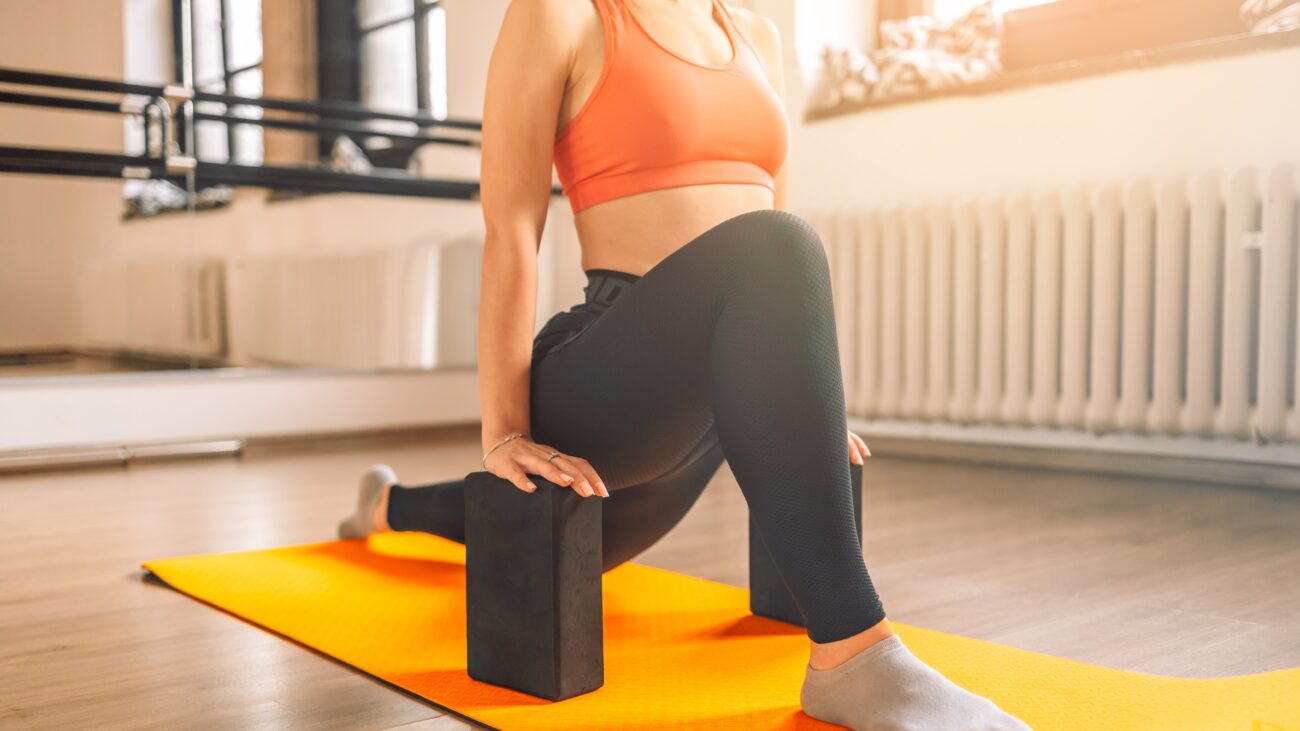
To maximize the benefits of your yoga routine, proper preparation is key. Find a quiet space where you can practice without distractions. Wear comfortable clothing that allows for a full range of motion. Gather any props you might need, such as a yoga mat, blocks, or a strap, to support your practice. Set an intention for your session, whether it’s to cultivate mindfulness, release tension, or simply enjoy the movement.
The Transformative Full Body Yoga Routine
This routine is designed to engage and energize your entire body, incorporating a variety of poses that target different muscle groups. Each pose should be held for 3-5 breaths, allowing you to deepen the stretch and focus on your breath.
1. Mountain Pose (Tadasana)
Start your routine with Mountain Pose to establish a strong foundation. Stand with your feet together, grounding through all four corners of your feet. Engage your thighs, draw your shoulders back, and extend your arms alongside your body. Focus on your breath, feeling the lengthening through your spine.
2. Sun Salutations (Surya Namaskar)
Sun Salutations are a series of poses that warm up the body and prepare you for deeper stretches. Flow through a few rounds, linking your breath with each movement. This sequence includes poses such as Forward Fold, Plank, Upward-Facing Dog, and Downward-Facing Dog, offering a dynamic full-body stretch.
3. Warrior I (Virabhadrasana I)
From Downward-Facing Dog, step one foot forward into Warrior I. Bend the front knee while keeping the back leg straight. Raise your arms overhead, gazing up if comfortable. This pose strengthens the legs, opens the hips, and stretches the chest.
4. Warrior II (Virabhadrasana II)
Transition from Warrior I to Warrior II by opening your hips and shoulders to the side. Extend your arms parallel to the ground, gazing over your front hand. This pose builds strength and endurance in the legs and core.
5. Triangle Pose (Trikonasana)
Straighten your front leg and reach forward, then tilt your torso to the side, placing your hand on your shin or a block. Extend your other arm towards the sky. Triangle Pose stretches the legs, hips, and spine while improving balance and concentration.
6. Tree Pose (Vrksasana)
Return to standing and shift your weight onto one foot, placing the sole of your other foot onto your inner thigh or calf (avoid the knee). Bring your hands to prayer position at your heart, or extend them overhead. Tree Pose enhances balance, focus, and core stability.
7. Seated Forward Bend (Paschimottanasana)
Sit on the floor with your legs extended in front of you. Inhale to lengthen your spine, then exhale to fold forward, reaching for your feet or shins. This pose stretches the hamstrings and lower back, promoting relaxation and calmness.
8. Bridge Pose (Setu Bandhasana)
Lie on your back with your knees bent and feet hip-width apart. Press into your feet to lift your hips towards the ceiling, clasping your hands underneath you. Bridge Pose strengthens the back, glutes, and hamstrings while opening the chest and shoulders.
9. Reclined Twist (Supta Matsyendrasana)
From lying on your back, draw one knee into your chest and gently guide it across your body, extending your opposite arm out to the side. This gentle twist releases tension in the spine and aids digestion.
10. Savasana (Corpse Pose)
Conclude your practice with Savasana, lying flat on your back with your arms and legs extended comfortably. Close your eyes and focus on your breath, allowing your body to relax completely. This pose facilitates deep rest and integration of the benefits of your practice.
Modifications and Variations
Yoga is a personalized practice, and it’s important to listen to your body and modify poses as needed. Beginners can use props like blocks and straps to support their alignment and ease into poses. More advanced practitioners can explore variations by deepening the stretch or holding poses longer. Remember, yoga is not about achieving perfection but embracing the journey and honoring your body’s unique needs.
Conclusion
A full-body yoga routine offers a transformative experience, enhancing physical strength, flexibility, and mental clarity. By practicing regularly, you cultivate a deeper awareness of your body and mind, fostering a sense of balance and peace in your everyday life. Whether you’re new to yoga or a seasoned practitioner, this routine is designed to be accessible and adaptable, allowing you to explore the richness of yoga at your own pace. Embrace the transformative power of yoga, and let it guide you on a journey of self-discovery and well-being.
