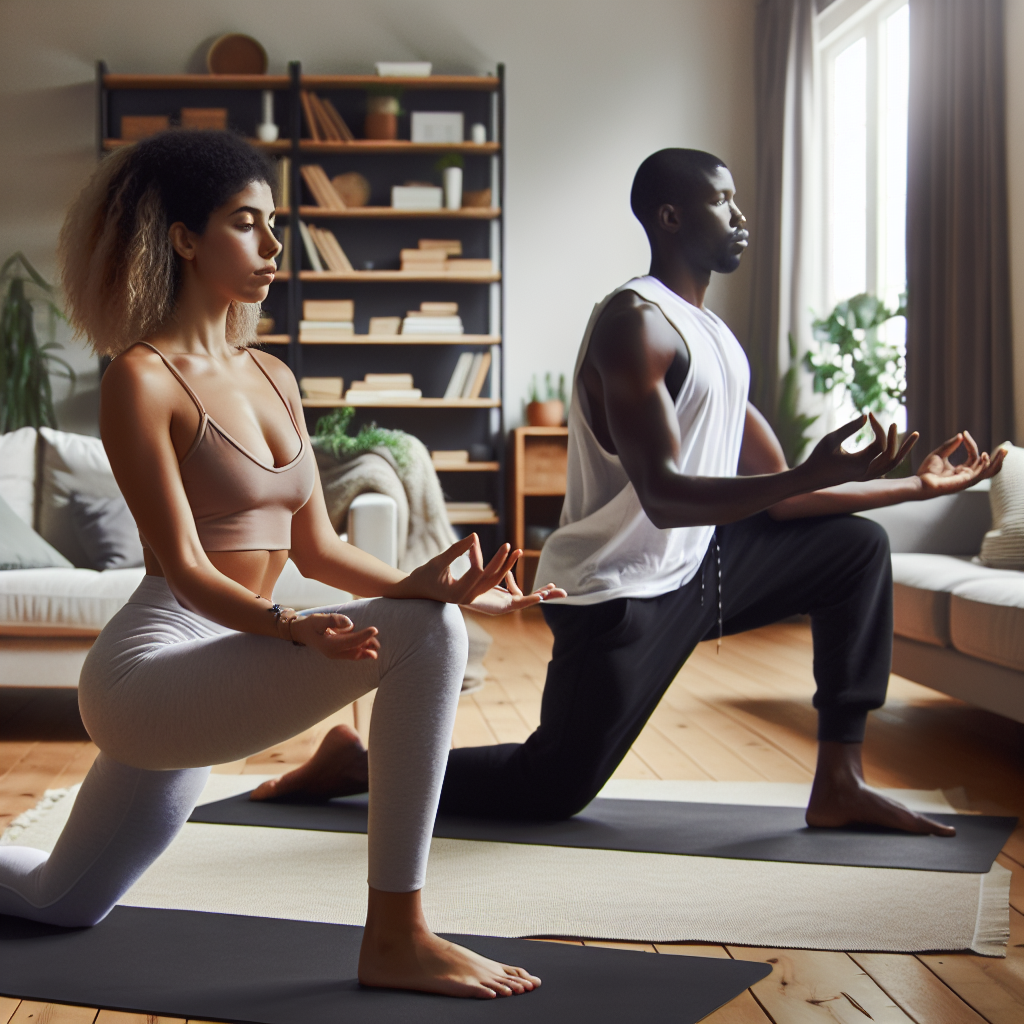
In today’s fast-paced world, finding time for self-care can be challenging. However, incorporating yoga into your daily routine can be a transformative experience that enhances both physical and mental well-being. This article provides a comprehensive home yoga routine suitable for all levels, from beginners to advanced practitioners. By integrating this routine into your life, you can cultivate a deeper connection with yourself and foster a sense of balance and tranquility.
Benefits of a Home Yoga Practice
Practicing yoga at home offers numerous benefits. Firstly, it provides the convenience of practicing at your own pace and on your own schedule. This flexibility allows for a more personalized experience that can adapt to your individual needs and goals. Additionally, a home practice encourages self-discipline and self-awareness, which are fundamental aspects of yoga.
Moreover, practicing yoga at home can be cost-effective, eliminating the need for expensive studio memberships. It also allows you to create a space that suits your personal preferences, enhancing your overall experience. Whether you seek physical strength, mental clarity, or emotional balance, a home yoga practice can be tailored to support your unique journey.
Preparing Your Space
Creating a conducive environment for your home yoga practice is essential. Start by selecting a space that is quiet, clean, and free from distractions. Ensure that you have enough room to move comfortably and that the area is well-ventilated. Consider adding elements such as candles, incense, or calming music to enhance the ambiance and create a peaceful atmosphere.
Investing in a good quality yoga mat is also important, as it provides stability and comfort during your practice. Additionally, having props such as blocks, straps, and bolsters on hand can be beneficial, especially for beginners or those with specific physical needs. These props can assist in achieving proper alignment and modifying poses to suit your level of flexibility.
The Transformative Home Yoga Routine
This home yoga routine is designed to cater to all levels, ensuring that each practitioner can experience growth and transformation. The routine is divided into several sections, each focusing on different aspects of yoga practice, including warm-up, asanas (postures), pranayama (breathing exercises), and meditation. It is recommended to dedicate at least 30-60 minutes for each session, but feel free to adjust the duration based on your availability and comfort.
Warm-Up
Begin your practice with a gentle warm-up to prepare your body for the upcoming asanas. Start with a few minutes of deep breathing to center yourself and bring awareness to your breath. Follow this with a series of dynamic movements such as neck rolls, shoulder rotations, and gentle twists to release tension and increase mobility.
Incorporate cat-cow stretches to warm up the spine and activate the core muscles. Transition into a few rounds of sun salutations to further energize the body and synchronize breath with movement. Sun salutations are a great way to build heat and improve circulation, setting a strong foundation for the rest of your practice.
Asanas (Postures)
The asanas in this routine are selected to provide a balanced practice, targeting strength, flexibility, and balance. Each pose should be held for 5-10 breaths, allowing time to explore the sensations and make necessary adjustments. Remember to listen to your body and honor its limitations, using props as needed.
Mountain Pose (Tadasana)
Begin in mountain pose to establish a sense of grounding and alignment. Stand with feet hip-width apart, arms relaxed at your sides. Engage your thighs, lift your chest, and lengthen through the spine. This foundational pose promotes mindfulness and prepares the body for more complex postures.
Downward-Facing Dog (Adho Mukha Svanasana)
Transition into downward-facing dog, a staple in many yoga practices. From a plank position, lift your hips up and back, creating an inverted V-shape with your body. This pose stretches the hamstrings, calves, and shoulders while building upper body strength. Focus on distributing weight evenly between your hands and feet.
Warrior I (Virabhadrasana I)
Step one foot forward, coming into a lunge position. Rotate your back foot slightly and lift your arms overhead, gazing forward. Warrior I strengthens the legs, opens the hips, and enhances concentration. Repeat on the opposite side to balance the body.
Triangle Pose (Trikonasana)
From Warrior I, straighten your front leg and reach forward to enter triangle pose. Extend your front arm down to your shin or a block, while your other arm reaches towards the sky. This pose improves flexibility in the hips and spine while strengthening the legs and core.
Bridge Pose (Setu Bandhasana)
Lie on your back with your knees bent and feet hip-width apart. Press into your feet to lift your hips, creating a bridge shape with your body. This pose opens the chest, strengthens the back, and calms the mind. It is also beneficial for improving posture and relieving tension in the lower back.
Seated Forward Bend (Paschimottanasana)
Sit with your legs extended in front of you. Inhale to lengthen the spine, then exhale to fold forward over your legs. Reach for your feet or shins, allowing your chest to gently rest on your thighs. This pose provides a deep stretch for the hamstrings and lower back, promoting relaxation and introspection.
Pranayama (Breathing Exercises)
After completing the asanas, transition into pranayama to cultivate a deeper awareness of your breath. Begin with Nadi Shodhana (alternate nostril breathing) to balance the nervous system and enhance focus. Sit comfortably with your spine straight, using your right thumb to close your right nostril. Inhale through the left nostril, then close it with your fingers and exhale through the right nostril. Continue this pattern for several rounds.
Ujjayi Breath (Victorious Breath)
Next, practice Ujjayi breath, a calming and energizing technique. Inhale deeply through the nose, slightly constricting the back of your throat to create a soft, oceanic sound. Exhale slowly through the nose, maintaining the same sound. This breath helps to regulate the flow of prana (life force) and induces a state of tranquility.
Meditation
Conclude your practice with a brief meditation to integrate the benefits of your yoga routine. Find a comfortable seated position, closing your eyes and bringing your attention inward. Focus on your breath, allowing any thoughts to come and go without attachment. This meditation can be as short as 5 minutes or longer, depending on your preference.
During meditation, you may choose to repeat a mantra or affirmation, such as “I am at peace” or “I am grounded and centered.” This practice encourages mindfulness and cultivates a sense of presence, allowing you to carry the peace and clarity of your yoga practice into your daily life.
Conclusion
A transformative home yoga routine is accessible to everyone, regardless of experience or skill level. By committing to a regular practice, you can experience profound physical, mental, and emotional benefits. Remember that yoga is a journey, and each day offers an opportunity for growth and self-discovery.
Embrace this routine with an open heart and mind, allowing it to nourish your body and soul. Whether you are seeking strength, flexibility, or inner peace, yoga has the potential to transform your life from the inside out. Begin your journey today and experience the transformative power of a home yoga practice.
