
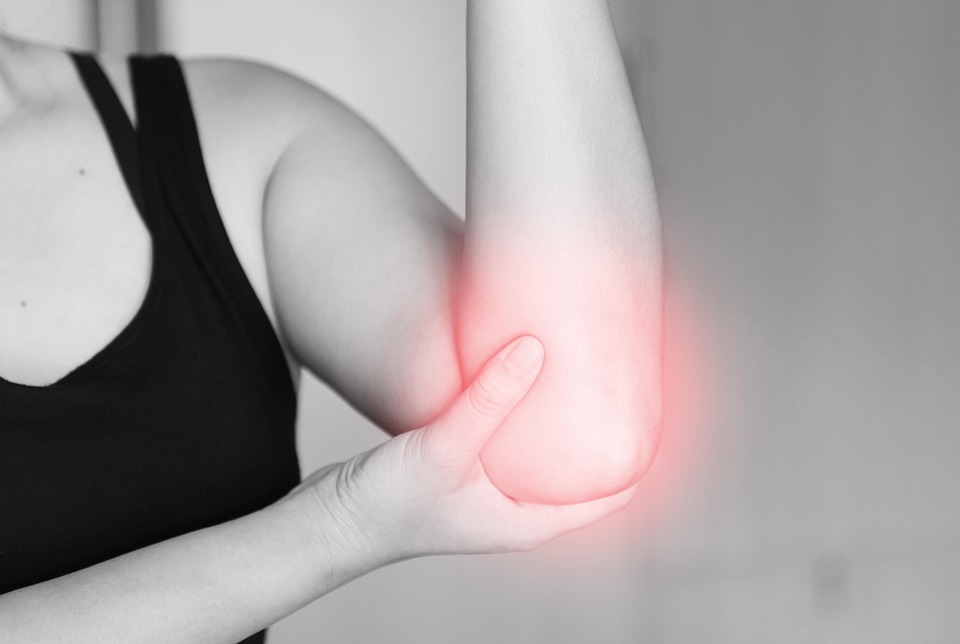
Joint pain is a common ailment that affects people of all ages. It can be caused by a wide range of conditions, including arthritis, bursitis, and other inflammatory disorders. For many, managing this pain is a daily struggle. While medication is often prescribed, there are natural methods of alleviating joint pain that can be incredibly effective. Yoga, with its focus on gentle stretching and strengthening, can be a powerful tool in managing and reducing joint pain. This article explores various yoga poses that can help alleviate joint pain naturally.
The Benefits of Yoga for Joint Pain
Yoga is a holistic practice that combines physical postures, breathing exercises, and meditation. It is known for its numerous health benefits, including improved flexibility, strength, and mental clarity. For those suffering from joint pain, yoga offers specific benefits:
- Increased Flexibility: Yoga stretches help maintain the range of motion in joints.
- Strength Building: Strengthening the muscles around joints can provide better support and reduce strain.
- Improved Circulation: Enhanced blood flow from yoga can help reduce inflammation.
- Stress Reduction: Yoga’s meditative aspects can help reduce stress, which is known to exacerbate pain.
Precautions Before Starting Yoga
Before beginning any new exercise regimen, it is important to consult with a healthcare provider, especially if you have existing health issues or severe joint pain. Start slowly and listen to your body to avoid overexertion. Use props like blocks and straps if needed, and modify poses to accommodate your body’s needs.
Yoga Poses to Alleviate Joint Pain
1. Cat-Cow Pose (Marjaryasana-Bitilasana)
This gentle flow between two poses helps to warm up the spine and relieve tension in the back and neck, which can indirectly affect joint pain.
- How to Do: Start on all fours with wrists under shoulders and knees under hips. Inhale, arch your back, and lift your head and tailbone (Cow Pose). Exhale, round your spine, and tuck your chin to your chest (Cat Pose). Repeat for several breaths.
- Benefits: Improves spinal flexibility, strengthens the core, and reduces tension in the shoulders and neck.
2. Downward-Facing Dog (Adho Mukha Svanasana)
This foundational pose stretches the entire body and helps to relieve stiffness in the shoulders, hamstrings, and calves.
- How to Do: From all fours, lift your hips and straighten your legs, forming an inverted V-shape. Spread fingers wide and press firmly through your hands. Keep your head between your arms and gaze at your knees or navel.
- Benefits: Strengthens arms and legs, lengthens the spine, and improves circulation, which can reduce joint pain.
3. Warrior II (Virabhadrasana II)
This pose builds lower body strength, which is crucial for supporting joints and reducing pain.
- How to Do: Stand with feet wide apart. Turn your right foot out and bend your right knee, keeping it over the ankle. Extend arms parallel to the floor and gaze over your right hand. Hold for several breaths and repeat on the other side.
- Benefits: Strengthens the legs and ankles, stretches the hips and shoulders, and encourages stability and balance.
4. Triangle Pose (Trikonasana)
This pose stretches the sides of the body, improves balance, and strengthens the legs, which can help alleviate joint pain.
- How to Do: Stand with feet apart. Turn your right foot out and extend arms parallel to the floor. Reach forward with your right hand, then lower it to your shin, ankle, or the floor. Extend your left arm toward the sky and look up. Hold and switch sides.
- Benefits: Stretches legs, hips, and spine, strengthens the lower body, and improves overall balance.
5. Child’s Pose (Balasana)
This restorative pose gently stretches the hips, thighs, and ankles while promoting relaxation and stress release.
- How to Do: Kneel on the floor and sit back on your heels. Fold forward, bringing your forehead to the ground and extending arms in front of you or alongside your body.
- Benefits: Relieves tension in the back and shoulders, gently stretches the hips and thighs, and promotes relaxation.
6. Bridge Pose (Setu Bandhasana)
This pose helps to strengthen the back, glutes, and thighs, providing better support for the joints.
- How to Do: Lie on your back with knees bent and feet flat. Press into your feet to lift your hips off the ground, clasping hands underneath your body.
- Benefits: Strengthens the back and lower body, opens the chest, and stretches the spine and neck.
Conclusion
Yoga offers a gentle yet effective way to manage joint pain and improve overall physical and mental well-being. Incorporating these poses into your daily routine can help increase flexibility, build strength, and reduce stress, all of which contribute to alleviating joint pain naturally. As with any exercise regimen, it is important to listen to your body and proceed at your own pace, ensuring that you achieve the maximum benefits while minimizing the risk of injury. With consistent practice, yoga can become a valuable part of your holistic approach to managing joint pain and enhancing your quality of life.
